
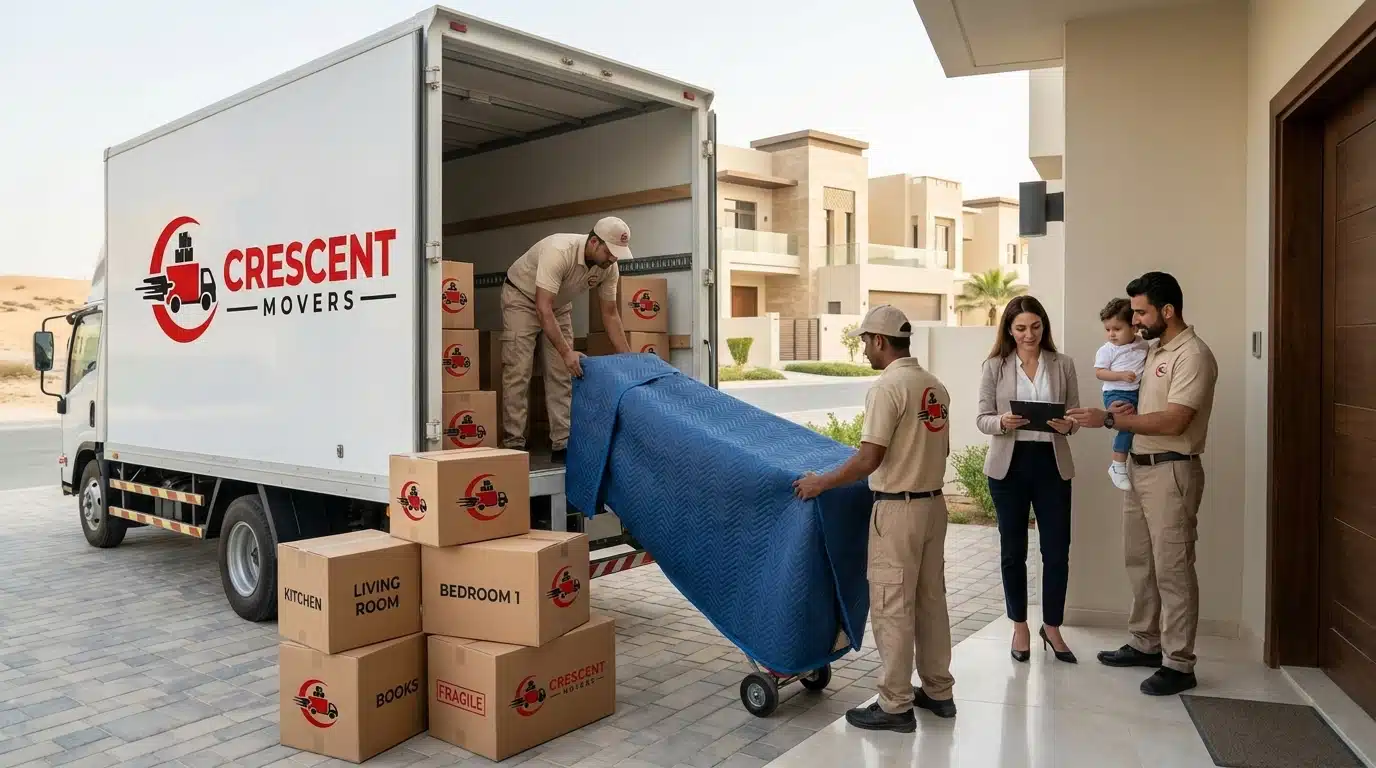
Complete home relocation guide for families moving in Abu Dhabi
HOME RELOCATION GUIDE

Complete Home Relocation Guide: How To Plan A Smooth Move

A family can be excited about moving into a new home, only to realize after starting the preparation that relocation involves far more decisions than expected.

There are belongings to sort, boxes to organize, furniture to prepare, documents to keep accessible, schedules to coordinate and property requirements to confirm. When these tasks are handled at the last minute, even a straightforward move can become difficult to manage.

A well-planned home relocation guide Abu Dhabi approach is about breaking the move into smaller stages and making decisions before moving day arrives.

Instead of trying to solve every problem at once, you can create a timeline, organize your belongings, prepare important items, plan furniture placement and confirm access requirements in advance.

This guide explains how to prepare for a residential move in Abu Dhabi from the early planning stage through packing, furniture preparation, moving-day coordination and final setup.

Why Home Relocation Requires Proper Planning

A home move can involve dozens of decisions, and many of them are connected.

For example, the amount of furniture you decide to keep affects how much packing is required. The type of property you are moving into can affect furniture placement. Building access can influence the moving schedule, while your family's daily routine can determine which belongings should be packed first.

Without a clear plan, these decisions can pile up close to moving day.

Proper planning can help with:

  • Managing your time
  • Keeping belongings organized
  • Reducing last-minute problems
  • Coordinating family members
  • Preparing the property
  • Making packing more manageable
  • Planning the destination before arrival

It is also useful to think about the move as a sequence rather than one single event.

The process usually starts with deciding what needs to move, continues through packing and preparation, and ends with transportation, unloading and setting up the new property.

The more decisions you can make before moving day, the fewer decisions you need to make while the actual move is taking place.

Create A Moving Timeline Before Your Relocation

A timeline gives you a practical framework for preparing without rushing everything into the final few days.

The exact amount of time needed depends on your home, belongings and moving requirements, but dividing preparation into stages can make the process easier.

30 DAYS BEFORE

30 Days Before Moving

A month before the move is a good point to establish the overall plan.

Start by:

  • Sorting your belongings
  • Creating a moving plan
  • Reviewing your furniture
  • Identifying items that require special handling
  • Researching the support you may need
  • Thinking about the new home's layout

This is also the right stage to identify belongings you no longer want.

Do not wait until the last day to decide what should be discarded, sold, donated or stored.

If you have a large household, consider creating a simple inventory of major items such as beds, sofas, dining tables, wardrobes, appliances and electronics.

The objective is to understand the scale of the move before packing begins.

14 DAYS BEFORE

14 Days Before Moving

Two weeks before the move, preparation should become more practical.

Start:

  • Packing less frequently used belongings
  • Organizing important documents
  • Preparing fragile items
  • Sorting clothing
  • Reviewing kitchen items
  • Planning furniture placement

Think about what you still need for everyday life and what you can safely put into boxes.

Seasonal belongings, decorative items, books and rarely used household goods can normally be prepared earlier than everyday essentials.

At this stage, you should also have a clearer idea of which furniture will go into which room at the new property.

7 DAYS BEFORE

7 Days Before Moving

During the final week, the focus should move toward completion.

Aim to:

  • Complete most packing
  • Prepare essentials
  • Confirm arrangements
  • Label boxes
  • Separate important documents
  • Check large furniture
  • Review access requirements

Prepare a separate bag or box containing the items you will need immediately after reaching the new home.

This can include clothing, toiletries, chargers, medication, basic kitchen items and important personal belongings.

How To Organize Your Belongings Before Moving

One of the biggest challenges of a home move is deciding what should actually travel to the new property.

Moving is a useful opportunity to reduce unnecessary belongings before they are packed.

Decluttering

Go through each room and divide belongings into practical categories:

  • Keep
  • Sell
  • Donate
  • Dispose
  • Store

Do not automatically pack everything just because you already own it.

A piece of furniture that has not been used for years may create extra work during packing, transportation and unpacking.

Room-By-Room Sorting

Instead of creating one large pile of belongings, work through the home systematically.

Start with one room and identify:

  • Everyday belongings
  • Rarely used items
  • Fragile items
  • Large furniture
  • Items that need special handling

This makes packing more organized and reduces the chance of forgetting something important.

Labeling Boxes

Clear labels can make unloading much easier.

A simple label can include:

ROOM + CONTENTS + PRIORITY

KITCHEN – GLASSWARE – FRAGILE MASTER BEDROOM – CLOTHING – OPEN FIRST

This tells you where the box belongs and how quickly you are likely to need it.

Creating An Inventory

You do not need to list every small item individually.

Focus on major furniture, valuable belongings, appliances, electronics and other important items.

An inventory can help you understand how much needs to be moved and can make it easier to check major belongings after arrival.

Packing Tips For A Smoother Home Move

Packing becomes easier when it is done gradually rather than all at once.

Start with belongings that you use less frequently and leave daily essentials until closer to moving day.

Fragile Items

Glassware, mirrors, artwork, decorative objects and other delicate belongings require additional protection.

Use suitable materials and protect items individually where appropriate.

Avoid leaving large empty spaces inside boxes because belongings can shift during transportation.

Also avoid placing delicate items underneath heavy household goods.

Electronics

Computers, televisions, monitors, printers and other electronics should be prepared carefully.

Keep cables organized and small components together.

Where possible, identify which accessories belong to each device before packing.

This can make setup easier at the new home.

Kitchen Items

You do not need to pack the entire kitchen first.

Start with:

  • Special serving items
  • Extra cookware
  • Rarely used appliances
  • Seasonal equipment
  • Duplicate utensils

Keep a basic set of everyday items accessible until later.

Personal Belongings

Important documents, medication, identification and valuables should remain easy to access.

Do not accidentally place something essential into a box that will be buried underneath many other cartons.

Professional Packing Support

Some households prefer to manage packing themselves, while others need help because of time constraints or the quantity of fragile belongings involved.

When professional preparation is needed, professional packing support can be considered as part of the relocation plan.

The important point is to match the packing approach to the amount and type of belongings being moved.

Preparing Furniture Before Relocation

Furniture often requires more preparation than ordinary household boxes.

Large items may need to be measured, dismantled, protected and planned around the route they will take through the property.

Dismantling Furniture

Some furniture becomes easier to handle after removing:

  • Legs
  • Shelves
  • Drawers
  • Detachable parts

However, not every item needs to be dismantled.

The decision should depend on the item's construction, size and the route through the property.

Protecting Surfaces

Furniture can be exposed to scratches, impacts and contact with doorways or walls during handling.

Pay particular attention to:

  • Corners
  • Edges
  • Glass surfaces
  • Polished areas
  • Wooden finishes

Large Furniture Challenges

A large sofa may fit comfortably in one property but encounter access problems in another.

Before moving, consider:

  • Door widths
  • Hallways
  • Elevator entrances
  • Staircases
  • Tight corners

This is particularly useful when moving between different property types.

Planning Placement

Decide where large furniture should go before moving day.

Bedroom → Bed and wardrobe Living room → Sofa and television Dining area → Dining table Home office → Desk and equipment

Planning placement in advance can reduce unnecessary repositioning after arrival.

When larger furniture forms a significant part of the move, safe furniture handling can be part of the relocation planning process.

Common Home Moving Mistakes To Avoid

Mistake 1: Starting Preparation Too Late

Why it happens: People underestimate how long sorting and packing will take.

Problem created: Packing becomes rushed and important belongings may not receive enough preparation.

Better solution: Start with rarely used belongings early and work gradually toward everyday items.

Mistake 2: Poor Organization

Why it happens: Boxes are packed without a clear system.

Problem created: It becomes difficult to know where belongings belong after arrival.

Better solution: Label boxes according to room, contents and priority.

Mistake 3: Ignoring Furniture Planning

Why it happens: Furniture placement is left until everything reaches the new home.

Problem created: Large items may need to be moved multiple times.

Better solution: Create a basic room plan before moving day.

Mistake 4: Forgetting Important Documents

Why it happens: Documents get mixed with ordinary household belongings.

Problem created: Important items can become difficult to find when they are needed.

Better solution: Keep passports, identification, contracts and other important paperwork separately.

Mistake 5: Trying To Handle Everything Alone

Why it happens: A move may appear manageable at first.

Problem created: The physical and organizational workload can become difficult as moving day approaches.

Better solution: Assess the size of your move honestly and decide which tasks you can manage yourself and which may require outside support.

How Professional Moving Support Makes Relocation Easier

A residential relocation can involve more than simply transporting boxes.

Professional support can be useful when a move includes a large number of belongings, significant furniture, fragile items or a demanding preparation schedule.

Useful areas of support may include:

  • Experience with different property types
  • An organized workflow
  • Safer handling of large belongings
  • Better coordination
  • Reduced physical workload
  • More structured preparation

Crescent Movers' current house-movers page describes a process covering home assessment, packing preparation, careful loading, transportation and unloading/final placement.

For households planning a complete home move, professional home relocation support can therefore be considered when the relocation requires more coordination than a simple self-managed move.

The right level of support depends on the property, belongings, schedule and individual requirements.

Abu Dhabi Home Relocation Considerations

Relocating within Abu Dhabi may involve property-specific requirements that should be confirmed before moving day.

Apartment buildings, villa communities and different residential developments can have their own arrangements for access and moving activity.

Before the move, consider checking:

  • Building access
  • Elevator scheduling
  • Parking arrangements
  • Loading areas
  • Community rules
  • Moving permissions where required
  • Preferred moving hours
  • Weather conditions

These details should be confirmed for the actual property rather than assumed based on previous moving experiences.

For example, an apartment on Al Reem Island may have different access arrangements from a villa in Khalifa City.

Similarly, a move involving Yas Island, Saadiyat Island or Al Raha may require property-specific coordination.

The practical lesson is simple: confirm the rules and access conditions for the exact building or community before moving day.

Weather can also affect planning, especially when furniture or household belongings are being handled outdoors.

The home's access route, parking position and loading arrangements should be considered as part of the overall moving plan.

Final Home Moving Checklist

A simple checklist can help you keep track of the main preparation stages.

Before Moving

  • ☐ Create timeline
  • ☐ Sort belongings
  • ☐ Prepare documents

During Packing

  • ☐ Label boxes
  • ☐ Protect fragile items
  • ☐ Separate essentials

Moving Day

  • ☐ Check rooms
  • ☐ Confirm furniture placement
  • ☐ Inspect belongings

Keeping the checklist simple makes it easier to review before the move without creating another complicated planning task.

The objective is to know what has been completed and what still needs attention.

Frequently Asked Questions

1. How early should I plan a home relocation?

Start planning as soon as your moving date and new property are confirmed. The exact preparation period depends on the size of the home, number of belongings and level of assistance required.

2. What should I prepare before moving house?

Start by sorting belongings, creating a timeline, organizing important documents, identifying large furniture and checking the access requirements of both properties.

3. How can I make moving easier?

Break preparation into stages, label boxes, separate essential belongings, plan furniture placement and avoid leaving all packing until the final few days.

4. What should I pack first when moving?

Start with items you rarely use, such as seasonal belongings, decorations, books and stored household goods. Leave daily essentials until closer to moving day.

5. How do I protect furniture during relocation?

Consider the furniture's size, surfaces and access route. Protect exposed areas, measure large pieces where needed and plan how they will move through doors, corridors and elevators.

6. Should I hire professional moving support?

It depends on the size and complexity of your move. Professional support may be useful when there are many belongings, large furniture items, fragile items or limited preparation time.

7. What mistakes should I avoid before moving?

Common problems include starting too late, poor box labeling, forgetting important documents, failing to plan furniture placement and underestimating the amount of preparation required.

8. How can families organize a home move?

Create a shared timeline, divide responsibilities, sort belongings room by room, keep essential items separate and communicate clearly about what needs to be completed before moving day.

Conclusion

A successful Home Relocation Guide Abu Dhabi approach starts with planning rather than packing.

Begin by creating a realistic timeline, sorting your belongings and identifying what actually needs to move. Then organize documents, pack gradually, protect fragile belongings and plan where the major furniture will go in the new property.

The final stage should focus on confirming arrangements rather than making major last-minute decisions.

For Abu Dhabi residents, it is also important to consider the practical requirements of the destination property, including access, elevators, parking, loading areas and community procedures.

Whether you are moving from an apartment, villa or family home, the basic principle remains the same: break the relocation into manageable stages and prepare each stage before moving day arrives.

With a clear plan, organized belongings and the right level of support, your move can become easier to coordinate and less dependent on last-minute decisions.

For households that need to discuss their relocation requirements, you can contact Crescent Movers to discuss the practical details of your move.