How to Pack Shoes for a House Move

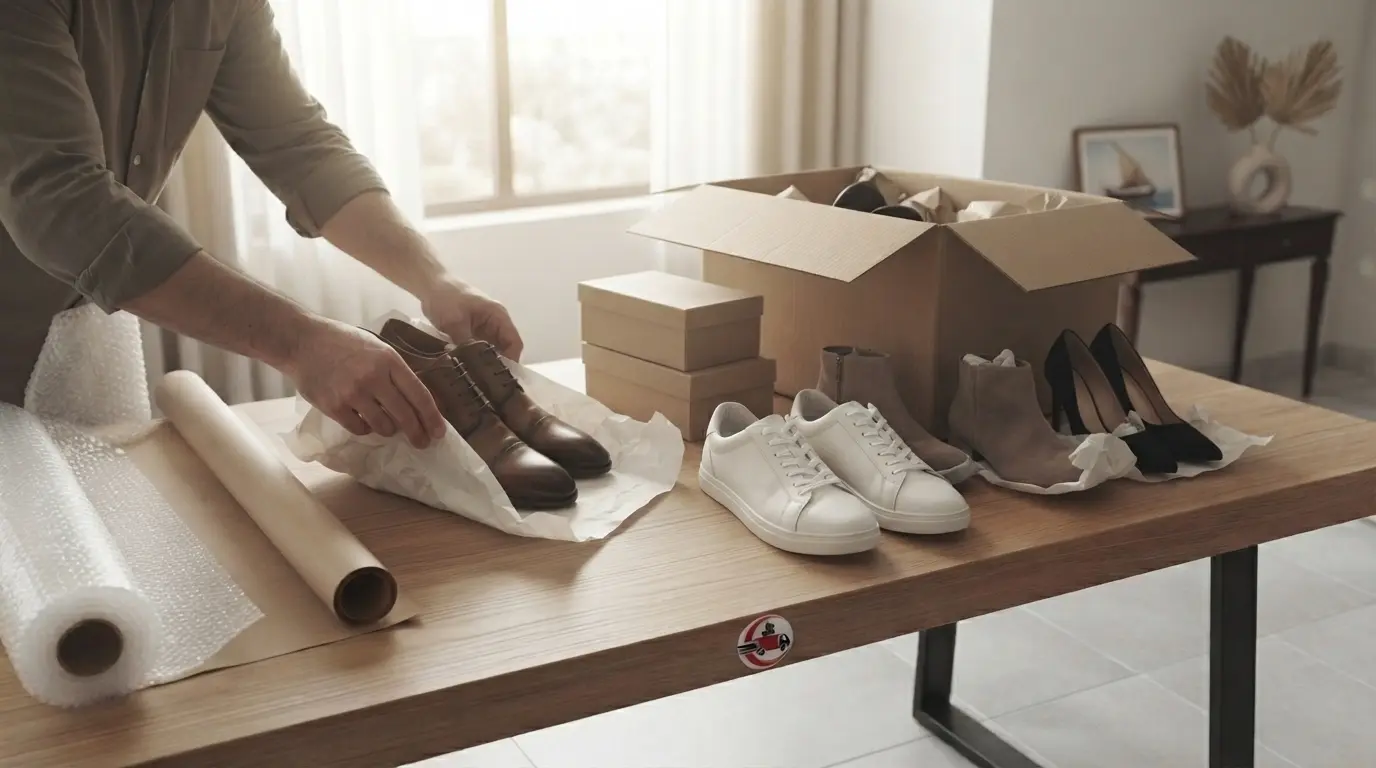
Shoes organized and prepared for packing before a house move

Packing shoes may seem like a small task compared with preparing furniture, kitchenware and clothing, but footwear can take up more space than expected. A family may have everyday sneakers, formal shoes, work footwear, sandals, boots, children's shoes and special-occasion pairs to organize before moving.

If shoes are packed without preparation, dirty soles can mark other footwear, delicate materials can become scratched, and unsupported shoes may lose their shape. Damp footwear can also develop unpleasant odours when sealed away before it has dried properly.

The good news is that packing shoes does not require complicated equipment. With a little sorting, suitable wrapping materials and a clear packing system, you can protect your footwear and make unpacking easier.

This guide explains how to prepare different types of shoes, choose suitable packing materials, save space and keep your most frequently used pairs accessible throughout your move.

Why Should You Pack Shoes Carefully?

Shoes are made from different materials and have different shapes. A pair of sturdy sneakers can usually tolerate more pressure than delicate high heels, structured leather dress shoes or tall boots.

Packing everything together without considering these differences can lead to avoidable problems.

  • Scuffs and scratches: Shoes rubbing against one another can damage leather, suede, decorative details and polished surfaces.
  • Crushed shapes: Heavy items placed on top can flatten soft footwear or bend delicate heels.
  • Dirt transfer: Dust and mud on the soles can stain lighter-coloured shoes.
  • Moisture problems: Packing shoes before they are completely dry can encourage unpleasant smells or material damage.
  • Lost pairs: Packing shoes separately without a system can make it difficult to find matching pairs after arrival.

A simple packing routine helps address these risks before the boxes are sealed.

Step 1: Sort Your Shoes Before Packing

Start by collecting shoes from bedrooms, wardrobes, entryways, storage areas and shoe racks. Putting them in one place makes it easier to see how many pairs you have and decide which ones need special attention.

Separate your footwear into practical groups:

  • Everyday shoes you wear regularly.
  • Work shoes and formal footwear.
  • Sneakers and sports shoes.
  • Sandals and lightweight footwear.
  • Boots and larger shoes.
  • Children's shoes.
  • Delicate, expensive or special-occasion pairs.

Next, decide which pairs you want to keep. Shoes that no longer fit or are no longer needed do not have to take up space in your moving boxes. Wearable pairs in good condition may be suitable for donation, while badly damaged footwear can be dealt with appropriately.

Set aside the shoes you will need during the final days before moving. Keeping these separate prevents you from opening packed boxes to find something you use every day.

Step 2: Clean and Dry Every Pair

Before packing, remove visible dirt, dust and mud from your shoes. Cleaning them first helps prevent grime from transferring to other footwear or the inside of a box.

Choose a cleaning method suitable for the shoe's material. Fabric sneakers, leather dress shoes and suede footwear may require different care, so avoid using the same product or method on every pair.

Pay particular attention to the soles, where grit and mud can collect. Allow shoes to dry completely before wrapping them. Do not seal damp footwear inside a box or plastic bag.

For leather or suede shoes, follow the manufacturer's care guidance and avoid excessive water. If a pair needs specialist cleaning, consider arranging it before packing day rather than experimenting with unfamiliar cleaning products.

Once the shoes are clean and dry, group matching pairs together so nothing gets separated during packing.

Step 3: Gather the Right Packing Materials

You can often pack shoes using materials you already have at home. The right combination depends on the quantity of footwear and how delicate the pairs are.

Packing materialHow it helps
Original shoe boxesProvide a fitted container for individual pairs.
Small or medium cardboard boxesKeep footwear organized and manageable to carry.
Clean packing paper or tissue paperHelps maintain shape and separates surfaces.
Fabric shoe bagsKeep pairs together and reduce rubbing.
Bubble wrapAdds cushioning for selected delicate or decorative footwear.
Packing tapeSecures the outer moving box.
Labels and a markerMake the contents easier to identify after arrival.

Avoid making a box so heavy that it becomes difficult to lift safely. A few manageable boxes are often easier to carry and organize than one oversized box filled with footwear.

For delicate materials, use clean, suitable wrapping that will not transfer colour or leave marks. If you are unsure whether a material is compatible with a particular shoe finish, choose a clean, non-abrasive protective layer. If you need professional packing support for more than footwear, you can explore our packing service.

Step 4: Stuff Shoes to Help Maintain Their Shape

Some footwear can become flattened or creased if it is packed loosely beneath other items. Gentle stuffing helps support the shoe during transportation.

Use clean packing paper or suitable tissue paper to fill the toe area. For boots, additional paper can help support the shaft so it does not fold over unnecessarily.

Do not overstuff shoes. The goal is to support their existing shape, not stretch the material. Avoid using dirty paper or printed material that could transfer ink onto light-coloured or delicate surfaces.

For structured footwear that came with shoe trees, follow the manufacturer's care advice when deciding whether to use them for the move. Keep removable accessories together with the correct pair.

Step 5: Wrap Each Pair Properly

Once the shoes are clean, dry and prepared, protect them before placing them in a box.

For everyday sneakers: Place a clean protective layer between the shoes if their soles or surfaces may rub together. Keep each pair together.

For leather dress shoes: Wrap each shoe separately in clean, suitable packing paper or a soft shoe bag. Avoid placing unprotected shoes directly against other items that could scratch or mark the finish.

For high heels: Protect the heel and decorative details from impact. Place each shoe so that its heel is not carrying the weight of other footwear.

For boots: Support the shaft where necessary and avoid folding the material sharply. Taller boots may need their own space rather than being compressed into a crowded box.

For sandals and flats: Keep pairs together and use light wrapping to prevent scuffs and tangling.

Expensive or especially delicate pairs may be best kept in their original boxes, if available, with additional cushioning where needed.

Step 6: Choose the Best Way to Box Your Shoes

There is no single packing method that suits every household. Choose a method that fits the amount of footwear you own and the space available.

Use original shoe boxes

Original boxes are useful because they are sized for their specific pairs. Wrap the shoes first if necessary, then place them in their boxes. You can group several shoe boxes inside a larger moving carton, provided the carton remains manageable to lift.

Use small or medium moving boxes

If you no longer have the original boxes, select a sturdy carton that can hold the footwear without excessive pressure. Add a protective layer at the bottom, arrange the shoes in stable layers and fill large gaps with clean packing material so the contents do not move around.

Use suitcases or travel bags

Suitcases can be useful for shoes that are already clean and dry. Keep footwear separated from clean clothing using shoe bags or other suitable barriers. Do not pack dirty soles directly against garments.

Use fabric shoe bags

Shoe bags are convenient for individual pairs, particularly when you want to keep matching shoes together. They can also help protect surfaces from rubbing against other items.

Whatever method you choose, avoid overfilling containers or placing heavy objects on top of delicate footwear.

Step 7: Pack Different Types of Shoes Correctly

Different footwear needs different levels of protection.

Sneakers and sports shoes

Clean the soles, let the shoes dry and keep each pair together. Use light stuffing if you want to help maintain the shape. Place heavier sneakers beneath lighter footwear when packing a shared box.

Leather and formal shoes

Protect each shoe individually with clean wrapping. Avoid excessive moisture and use a box that prevents the shoes from being crushed by other items. If the shoes have decorative buckles or delicate finishes, give those areas extra space.

High heels

Wrap heels separately and prevent them from pressing against one another. Avoid stacking weight on top of the heel or placing high heels loosely beneath heavier shoes. Individual shoe boxes are useful for particularly delicate pairs.

Boots

Boots can take up considerable room, especially when they have tall shafts. Clean and dry them thoroughly, then support the shaft with suitable packing paper if needed. Pack them without forcing them into a shape that could damage the material.

Sandals and flats

These are often easier to pack in pairs, but their surfaces can still become scratched. Keep embellished sandals separate from footwear with rough soles or hardware.

Children's shoes

Group children's shoes by child or size. Keeping each child's footwear together makes it easier to organize wardrobes after the move and reduces the chance of losing matching pairs.

Step 8: Organize Boxes to Save Space

Good organization helps you use available space without sacrificing protection.

  • Place heavier footwear, such as sturdy boots, at the bottom of the box.
  • Put lighter or more delicate pairs above heavier ones.
  • Keep pairs together and separate materials that may scratch one another.
  • Fill empty spaces with suitable clean packing material to limit movement.
  • Keep boxes light enough to carry safely.
  • Label each box with its contents and destination room.

Avoid packing shoes into gaps around heavy furniture simply because the space is available. Footwear can be crushed if furniture shifts or presses against it. Keep shoes inside suitable containers and make sure those containers are secured appropriately for transportation.

For advice on keeping household belongings protected during a move, read our furniture protection guidance.

Step 9: Keep Essential Shoes Accessible

Not every pair needs to be sealed away before moving day. Choose the footwear you will need while packing, travelling and settling into your new home.

Keep a small selection accessible, such as:

  • Everyday shoes.
  • Work footwear, if needed.
  • Comfortable shoes for moving day.
  • Weather-appropriate footwear.
  • Shoes required by children for school or activities.

Put these pairs in a separate bag or clearly marked container. This avoids opening several boxes immediately after arrival.

If you are moving with children or several household members, label the essential footwear by person so everyone can find their shoes easily.

Step 10: Label and Check Every Box

Before sealing each box, check that matching pairs are together, delicate footwear is protected and no shoes are damp. Make sure the contents are stable and the carton can be carried without difficulty.

Write a clear label on the box, such as “Bedroom — Everyday Shoes” or “Wardrobe — Formal Footwear.” If several people are moving, include the person's name where useful.

Keep an inventory if you have a large collection or valuable footwear. A simple list of box labels can help you locate particular pairs without opening every carton.

After reaching the new home, inspect delicate or valuable shoes as you unpack them. Remove the wrapping, check for visible damage or moisture, and allow footwear to air out if needed before storing it.

Common Shoe-Packing Mistakes to Avoid

Packing shoes while damp: Moisture trapped in a sealed box can cause odours and damage. Clean and dry shoes fully before packing.

Mixing dirty and clean footwear: Dirt can transfer to other shoes and protective materials. Clean the soles before packing and separate shoes that remain dirty.

Overfilling boxes: Too much footwear in one carton can make it heavy and increase pressure on delicate pairs. Use manageable boxes and leave enough room for protective material.

Leaving high heels unprotected: Heels and decorative details can break or become scratched when shoes move around. Wrap delicate pairs separately and prevent other items from pressing against them.

Forgetting essential pairs: Packing every shoe can leave you searching for everyday footwear during the move. Set aside the pairs you will need until you have settled in.

Failing to label boxes: Unlabelled cartons take longer to sort and unpack. Use clear labels that identify both the contents and the room where they belong.

Final Shoe-Packing Checklist

Before you finish packing, check that you have:

  • Sorted shoes into groups.
  • Set aside pairs you will need immediately.
  • Cleaned and completely dried footwear.
  • Gathered suitable boxes and wrapping materials.
  • Stuffed structured shoes gently where needed.
  • Wrapped delicate pairs individually.
  • Kept matching pairs together.
  • Placed heavier footwear below lighter pairs.
  • Avoided overfilling boxes.
  • Labelled each carton clearly.
  • Checked the contents before sealing.
  • Planned where the boxes should go at the new home.

A few minutes spent checking these details can make unpacking much simpler.

Conclusion

Packing shoes for a house move is easier when you treat footwear according to its material, shape and condition. Start by sorting and cleaning your collection, allow every pair to dry, and use suitable wrapping and containers to protect shoes from dirt, scuffs and crushing.

Keep matching pairs together, give delicate footwear extra protection, avoid overfilled boxes and label each carton clearly. Most importantly, set aside the shoes you will need during moving day and your first few days in the new home.

A simple, organized approach helps your footwear arrive ready to wear and makes settling into your new space more straightforward.

For help planning your move, visit Crescent Movers or contact Crescent Movers to discuss your arrangements.

4. FAQs

1. What is the best way to pack shoes for moving?

Clean and dry your shoes, keep matching pairs together, wrap delicate footwear separately and pack them in suitable boxes with enough protection to prevent movement.

2. Should I clean shoes before packing them?

Yes. Remove dirt and mud, especially from the soles, and let the shoes dry completely before wrapping or boxing them.

3. How do I pack leather shoes without damaging them?

Use clean, suitable wrapping to protect each shoe individually. Keep them dry, avoid excessive pressure and use a box that prevents them from being crushed.

4. How should I pack high heels for a move?

Wrap each shoe separately, protect the heel and decorative details, and prevent heavier footwear from pressing against them during transportation.

5. Can I pack shoes in a suitcase?

Yes. A suitcase can be a practical option for clean, dry footwear. Use shoe bags or another suitable barrier to keep soles away from clean clothing.

6. How can I save space when packing shoes?

Sort shoes by type, use original shoe boxes when practical, choose manageable cartons and fill gaps with suitable packing material. Avoid sacrificing protection just to fit more pairs into one box.

7. Should I pack shoes in plastic bags?

For short-term organization, a bag may keep pairs together, but avoid sealing damp shoes in plastic. Breathable shoe bags or suitable packing paper are often preferable, especially for delicate materials.

8. Which shoes should I keep out until moving day?

Keep everyday shoes, comfortable footwear for moving day, work shoes you need immediately and any pairs required by children or other household members.