
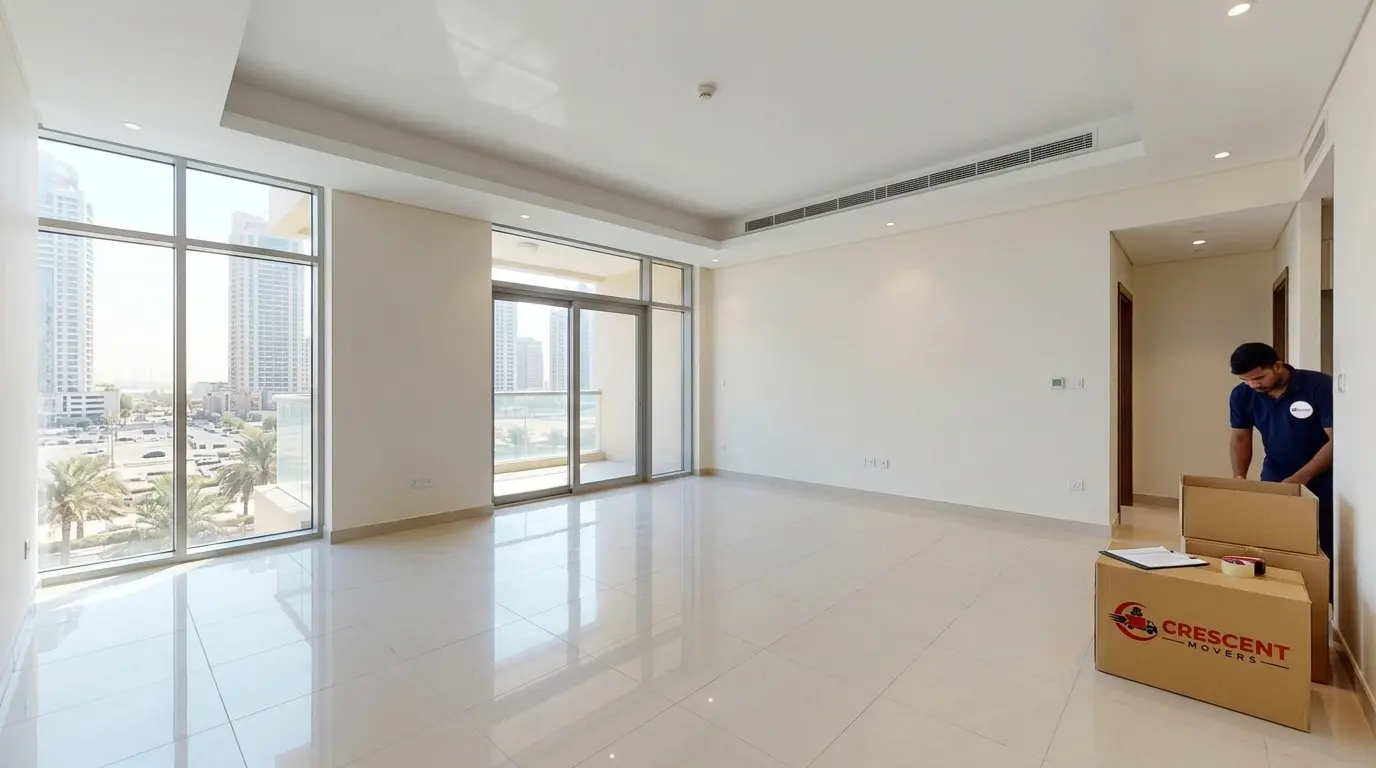
New apartment inspection before furniture is moved in

What to Inspect in a New Apartment Before Moving Furniture In

You have the keys to your new apartment, and the furniture is ready to arrive. Before the sofa goes against the wall and boxes fill the rooms, take time to inspect the property while the floors, walls, corners and fittings are still easy to reach.

A careful inspection helps you identify existing damage, test essential fixtures and record problems before your belongings cover them. It also gives you an opportunity to notify the landlord, owner or property manager about issues that need attention.

The best time to carry out this inspection is before large furniture is placed inside. You do not need specialist equipment for basic visual checks, but you should record anything unusual and avoid attempting repairs or electrical work yourself.

1. Why Inspect Your Apartment Before Moving Furniture In?

An empty apartment is easier to inspect than one filled with furniture and boxes. You can see marks behind doors, examine floor edges, look under sinks and access electrical sockets without moving heavy items.

A pre-move inspection can help you:

  • Identify scratches, cracks, stains and other existing damage.
  • Check whether taps, drains, lights, locks and air conditioning work.
  • Record the condition of fixtures and any included appliances.
  • Report maintenance issues before settling in.
  • Plan where large furniture will fit and how it will enter each room.
  • Keep a written record of the apartment's condition at handover.

For tenants, dated photographs and written communication can be particularly useful when discussing the property's original condition at the end of the tenancy.

2. Prepare a Simple Apartment Inspection Kit

Before starting, gather a few everyday items so you can work through the apartment methodically.

ItemWhy it helps
Mobile phonePhotograph and record existing damage
Notes app or checklistRecord problems by room
TorchInspect dark cupboards and corners
Measuring tapeCheck furniture spaces and access routes
Phone chargerHelp check accessible power sockets, where safe
Keys or access cardsTest the locks and entry points
Handover documentsCompare the apartment with agreed inclusions

If possible, inspect the apartment in daylight. Natural light makes surface marks and stains easier to see. Make sure water and electricity are available if you need to test fixtures.

Do not open electrical panels, remove socket covers or handle exposed wiring. If something looks unsafe, leave it alone and report it to the responsible maintenance team.

3. Inspect Walls, Ceilings and Floors

Start with a slow walk through every room. Look at each surface before furniture, rugs or boxes cover it.

Walls and ceilings

Look for:

  • Cracks, holes and deep scratches.
  • Peeling paint or damaged plaster.
  • Water stains or discoloured patches.
  • Damp-looking areas or unusual musty smells.
  • Loose fittings or damaged wall fixtures.

Pay attention to areas near windows, air-conditioning units, bathrooms and kitchen plumbing. A stain may be old, but it is still worth documenting and asking about if its cause is unclear.

Do not assume a crack or stain is harmless. Record what you can see and request an assessment if the issue appears significant.

Floors and skirting boards

Walk through each room and inspect the flooring from different angles.

Check for cracked or loose tiles, scratches, chipped edges, lifted flooring, carpet stains and damaged skirting boards. Look at corners and areas near doors because these can be difficult to inspect once furniture is positioned.

Photograph any damage before placing rugs, beds, cabinets or sofas over it.

4. Test Doors, Windows and Locks

Doors and windows affect security, privacy and everyday comfort. Check them before furniture blocks access or makes the room difficult to move around.

  • Open and close each internal door.
  • Check that handles and latches work properly.
  • Test the main entrance lock using the supplied key.
  • Open and close windows where safe and accessible.
  • Check window locks and visible seals.
  • Look for cracked glass, damaged frames or signs of water entry.
  • Inspect balcony doors and their locking mechanisms.

If a door catches on the floor or a window will not close properly, note its location and report the problem. Do not force stiff fittings or attempt adjustments without permission.

Also confirm that you have received the keys, access cards or other entry devices that were agreed for the property.

5. Check Water Supply, Taps and Drainage

Plumbing issues are easier to identify before cupboards are filled and bathroom items are unpacked.

Kitchen and bathroom taps

Turn on accessible taps and check whether water flows normally. Look underneath sinks for visible drips, damp cabinet surfaces or signs of previous leakage.

Sinks, showers and toilets

Where water is available, check that:

  • Sinks drain without obvious problems.
  • Showers and taps operate as expected.
  • Toilets flush properly.
  • There is no visible leakage around accessible pipework.
  • Water does not collect unexpectedly on the floor.
  • Visible sealant and fittings appear intact.

You do not need to dismantle plumbing to complete these checks. If you notice a leak, persistent drainage problem or unusual water pressure, document it and notify the landlord or maintenance team.

In Abu Dhabi, air conditioning and water use are part of daily life for much of the year, so unresolved problems with these facilities can affect comfort soon after arrival.

6. Test Air Conditioning and Electrical Fittings

Air conditioning

Turn on the air conditioning using the normal controls, if the system is available for testing. Check whether it starts, responds to temperature adjustments and produces cool air after a reasonable period.

Look for visible water around the indoor unit, unusual sounds or persistent unpleasant odours. Do not remove covers or attempt to clean internal components during the inspection.

If cooling appears weak or the unit shows signs of leakage, record the issue and ask management to investigate it before you settle in.

Lights, switches and sockets

Test light switches and installed lights in each room. Look for damaged switch plates, loose fittings, exposed wires or sockets that appear broken.

Where a socket is visibly intact and safe to use, a suitable plug-in device may help confirm that it supplies power. Never insert metal objects or use a socket that appears damaged.

Report electrical problems to the property manager or a qualified electrician. Avoid DIY electrical repairs, especially when the cause of the issue is unknown.

7. Inspect the Kitchen, Bathroom and Included Appliances

If the apartment includes appliances or fitted furnishings, compare them with the handover documents and test them according to their normal operating instructions.

Kitchen

Inspect cabinet doors, hinges, shelves, worktops and visible fittings. Check the sink, tap and accessible areas beneath the sink for signs of leakage.

If a refrigerator, oven, hob or other appliance is included, check its visible condition and normal operation where it is safe to do so. Do not operate equipment that appears damaged or has an unusual smell.

Bathroom

Look at the shower, toilet, basin, mirror, cabinets, exhaust fan and visible tile joints. Check for cracked tiles, loose fittings, water stains and signs of persistent moisture.

Wardrobes and storage

Open wardrobes, drawers and cupboards. Check that doors slide or close correctly, shelves are secure and there are no obvious stains, broken fittings or unpleasant odours.

If the apartment is furnished, record the condition of each included item rather than assuming it is new or undamaged.

8. Photograph Existing Damage and Report It

Finding a problem is only the first step. You should also create a clear record of what you found.

Use a simple process:

  1. Photograph the whole area so its location is clear.
  2. Take a closer photograph of the damage.
  3. Record the room and exact location.
  4. Add a short, factual description.
  5. Send the record to the landlord or property manager through the appropriate communication channel.
  6. Keep a copy of the message and any response.

For example, instead of writing “the bedroom is damaged,” record “bedroom, wall beside the window: visible paint peeling and a brown stain.”

Ask the responsible person to confirm receipt and explain whether a repair or inspection will be arranged. If a written handover or condition report is provided, review it and retain a copy.

This process is useful for tenants and owners alike. It creates a clearer record of the property's condition before furniture is installed.

9. Measure Furniture Spaces and Access Routes

Once the property condition has been recorded, check whether your main furniture can fit in the intended rooms.

Measure the available space for beds, sofas, wardrobes, dining tables and large appliances. Compare those measurements with the furniture dimensions rather than estimating by sight.

Also consider:

  • Entrance and bedroom door widths.
  • Hallway turns and narrow passages.
  • Lift dimensions and door openings, if applicable.
  • Stairways and shared corridors.
  • Space needed to open wardrobe and cabinet doors.
  • Clearance around air-conditioning units and electrical fittings.

For apartments in high-rise buildings or managed communities, confirm any relevant building access arrangements before arranging delivery. Requirements differ between properties, so ask management about the rules that apply to your building.

If a large item needs to be dismantled or brought in through a restricted route, identify that issue before the delivery is scheduled. For furniture that requires specialist handling, you can review the relevant furniture moving service information.

10. Final Apartment Inspection Checklist

Use this quick checklist before furniture and boxes arrive.

Before furniture arrives

0/12 checked

11. Common Inspection Mistakes to Avoid

Moving furniture in before checking the floors

Large furniture can hide scratches, stains and damaged tiles. Inspect and photograph the floor first.

Testing only the obvious fixtures

A working light does not confirm that every socket, tap, lock or appliance works. Check each relevant item individually.

Keeping photographs without written notes

A photograph may not show the room or exact location clearly. Add a short description and keep the evidence organised.

Attempting repairs yourself

Changing electrical fittings, dismantling plumbing or adjusting fixtures without permission can create additional problems. Report issues and use qualified help where necessary.

Forgetting to check furniture access

A sofa may fit in the living room but still be difficult to bring through a narrow entrance or lift. Measure the route as well as the final space.

Conclusion

Inspecting a new apartment before moving furniture in gives you a clearer picture of its condition while important areas remain accessible. Check the walls, floors, doors, windows, plumbing, air conditioning, electrical fittings and included appliances. Photograph existing damage, report problems in writing and measure the spaces needed for larger belongings.

The aim is not to expect every property to be perfect. It is to identify concerns early, document the condition accurately and resolve practical issues before unpacking begins.

If you are organising a relocation, contact Crescent Movers to discuss the practical arrangements for transporting and placing your belongings.

4. FAQ section

What should I inspect before moving furniture into a new apartment?

Check the walls, ceilings, floors, windows, locks, taps, drainage, air conditioning, electrical fittings and included appliances. Photograph existing damage and report problems before placing furniture.

Should I inspect an apartment before unpacking?

Yes. Inspecting the apartment before unpacking makes it easier to see damaged surfaces, reach fittings and record the property's condition before boxes and furniture cover important areas.

How do I document existing damage in a new apartment?

Take clear photographs of the full area and close-up details, note the room and location, and send a written report to the landlord or property manager. Keep copies of the evidence and correspondence.

Should I test the air conditioning before moving in?

Yes, where the system is available and safe to operate. Check its normal controls, cooling performance and any visible leakage or unusual odours. Report suspected problems rather than attempting repairs yourself.

What should I check in the kitchen and bathroom?

Inspect taps, sinks, drainage, toilets, cabinets, visible pipework and included appliances. Look for leaks, damaged fittings, stains and signs of persistent moisture.

Should I measure furniture before moving it into an apartment?

Yes. Measure the intended space as well as doorways, corridors, lift openings and stairways where relevant. This helps you identify access problems before delivery.

What if I find damage after the furniture arrives?

Photograph the issue, record where it is located and notify the landlord or property manager promptly. Explain when you noticed it and keep a copy of your message.

Do all apartment buildings in Abu Dhabi have the same inspection or access rules?

No. Property condition procedures and building access arrangements can differ. Ask your landlord or building management about the requirements that apply to your particular apartment.

Planning Your Relocation?

If you are organising a relocation, contact Crescent Movers to discuss the practical arrangements for transporting and placing your belongings.

Contact Crescent Movers