
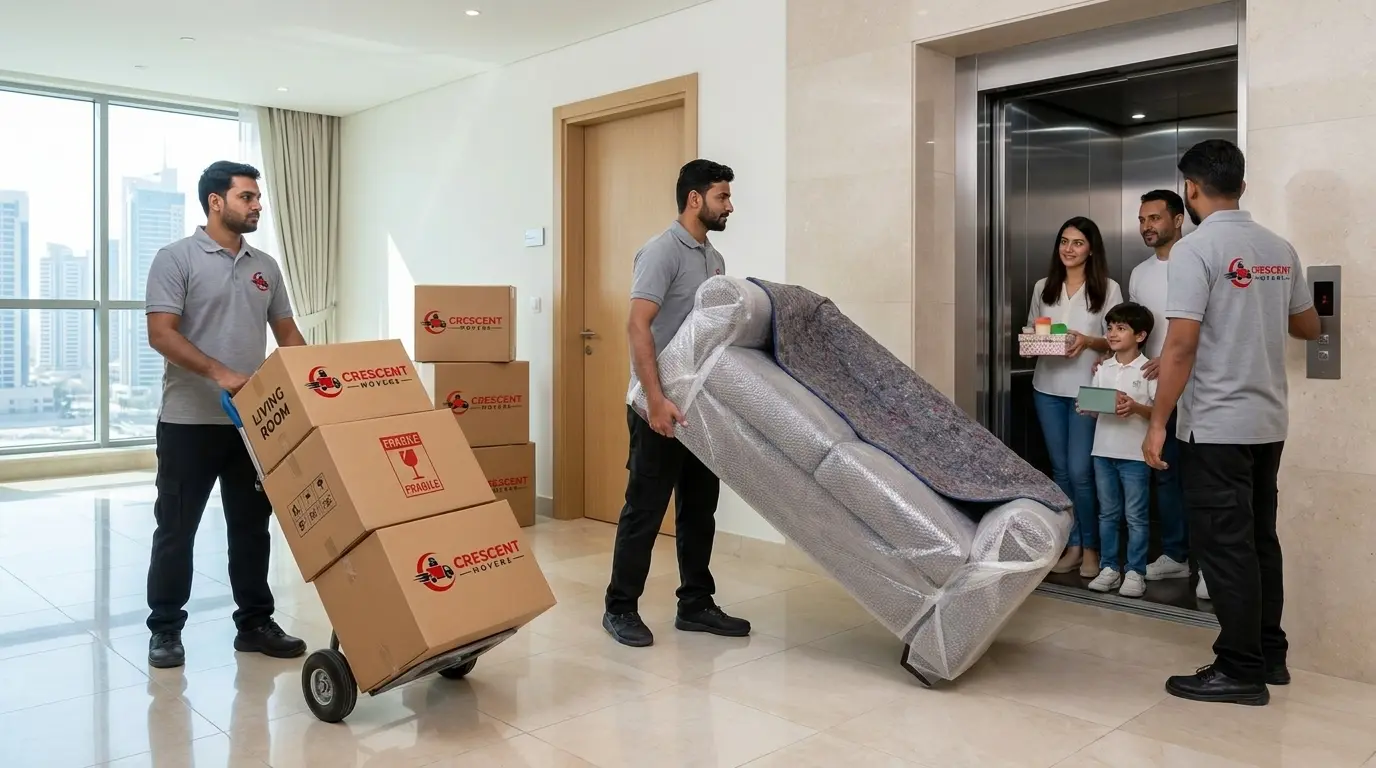
Apartment Moving Guide Abu Dhabi: How To Plan A Smooth Apartment Relocation
Moving from an apartment can sound simple until you start looking at everything involved.
There are boxes to organize, furniture to measure, building access to confirm, elevators to consider, parking arrangements to check and personal belongings to prepare. In some buildings, shared corridors and limited storage space can make preparation more difficult than expected.
For families, professionals and first-time apartment movers, the challenge is often not one major task. It is the coordination of many smaller tasks happening at the same time.
An Apartment Moving Guide Abu Dhabi approach can make the process easier by breaking relocation into manageable stages.
Instead of leaving everything until moving day, residents can create a timeline, organize belongings room by room, prepare furniture, confirm building requirements and keep essential items accessible.
Abu Dhabi has a wide range of residential environments, including downtown apartment living and communities with different residential layouts. The Government of Abu Dhabi describes the emirate as offering beachfront, golf-course and downtown apartment living, meaning the practical conditions of an apartment relocation can vary between properties. Home
The goal of this guide is to explain how to prepare for an apartment relocation, manage building-related challenges and make the moving process more organized.
Why Apartment Moving Requires Extra Planning
Apartment relocation can involve several challenges that are less common in some other types of residential moves.
The amount of space available for preparation may be limited, while furniture and boxes often need to pass through shared areas before reaching the moving vehicle.
Limited Space
Apartment residents may not have a large area where boxes and furniture can be prepared before moving.
A small living room, narrow hallway or limited storage area can quickly become crowded when packing begins.
This makes organization particularly important.
Rather than packing everything into one area, work through the apartment room by room and keep clear pathways between frequently used spaces.
Building Rules
Apartment buildings may have specific procedures for moving activity.
Residents may need to confirm access arrangements with building management, security or the relevant property representative before moving day.
Do not assume that the arrangements used by another resident will automatically apply to your apartment.
Shared Areas
Unlike a standalone property, an apartment move can involve shared entrances, corridors, elevators and loading areas.
Furniture and boxes may need to pass through these areas without blocking access for other residents.
Preparing the route in advance can help identify potential problems before the move begins.
Elevator Coordination
Elevator access can become one of the most important parts of an apartment move.
Large furniture may need to fit inside the available elevator space, while the building may have specific arrangements for moving activity.
Confirm the relevant elevator arrangements before moving day rather than discovering a limitation when furniture is already waiting in the hallway.
Furniture Access
Furniture can create challenges even when the apartment itself has enough space.
A sofa that fits comfortably inside a living room may still be difficult to move through the apartment entrance, corridor, elevator or building entrance.
Measuring larger items and reviewing their route can help prevent avoidable problems.
Apartment Moving Checklist Before Relocation
A timeline can help apartment residents manage preparation without trying to complete everything during the final few days.
The exact schedule depends on the size of the apartment, the number of belongings and the building's requirements, but dividing the work into stages can make the process easier.
30 Days Before Moving
A month before relocation is a useful time to establish the overall plan.
Confirm Moving Date
Confirm the intended moving date and consider how it fits with work, family and personal commitments.
If you are moving between rental properties, make sure the dates for leaving the current apartment and accessing the new property are clearly understood.
Sort Belongings
Go through the apartment room by room.
Separate belongings into practical categories such as:
- Keep
- Donate
- Dispose
- Sell
- Store
Do not automatically pack everything simply because it is already in the apartment.
Reducing unnecessary belongings before packing can make the rest of the relocation more manageable.
Plan Furniture
Review larger furniture before moving day.
Consider sofas, beds, wardrobes, dining tables, desks and other large pieces.
Think about where each item will go in the new apartment and whether its dimensions are suitable for the new space.
14 Days Before Moving
Two weeks before the move, preparation should become more active.
Start Packing
Begin with belongings that are not needed every day.
These may include:
- Seasonal clothing
- Books
- Decorations
- Rarely used kitchen items
- Stored belongings
- Extra household goods
Keep everyday essentials available until closer to moving day.
Organize Documents
Keep important documents separate from ordinary household belongings.
These may include identification documents, contracts, property-related paperwork, financial documents and other items that may be required during the transition.
Contact Building Management
This is a useful stage to confirm the building's moving arrangements.
Ask about relevant procedures for:
- Elevator use
- Loading areas
- Parking
- Security access
- Moving hours
- Shared spaces
Requirements can differ between buildings, so confirm the actual arrangements for your property.
7 Days Before Moving
During the final week, the focus should shift toward completion.
Complete Packing
Most non-essential belongings should already be packed.
Review each room and identify anything that still needs attention.
Confirm Access
Recheck the arrangements for the apartment building, including elevator access, parking and any required permissions or security procedures.
Prepare Essentials
Create a separate collection of belongings that you will need immediately after arriving.
This can include:
- Clothing
- Toiletries
- Chargers
- Medication
- Important documents
- Basic kitchen items
- Children's essentials
Keeping these items separate prevents them from becoming buried underneath boxes.
How To Prepare Your Apartment Before Movers Arrive
The apartment itself should be prepared before the moving process begins.
Small preparation steps can make it easier to move furniture and boxes through the property.
Clear Pathways
Walk through the route that furniture and boxes will take.
Remove unnecessary objects from:
- Hallways
- Doorways
- Living areas
- Entryways
A clear pathway gives larger items more room to move through the apartment.
Separate Important Items
Keep passports, identification, documents, medication, valuables and other essential belongings separate.
These items should remain under your control rather than being placed randomly into moving boxes.
Protect Floors
Consider areas where furniture and boxes will be handled frequently.
Where appropriate, protect vulnerable flooring or surfaces from unnecessary contact during preparation and movement.
Label Boxes
Every box should provide enough information to identify its contents and destination.
A simple system can include:
For example:
Clear labels can make unloading easier and reduce the need to open boxes unnecessarily.
Prepare Fragile Items
Fragile belongings should receive additional attention before moving day.
Glassware, mirrors, artwork, electronics and decorative pieces may require suitable protection based on their material and size.