
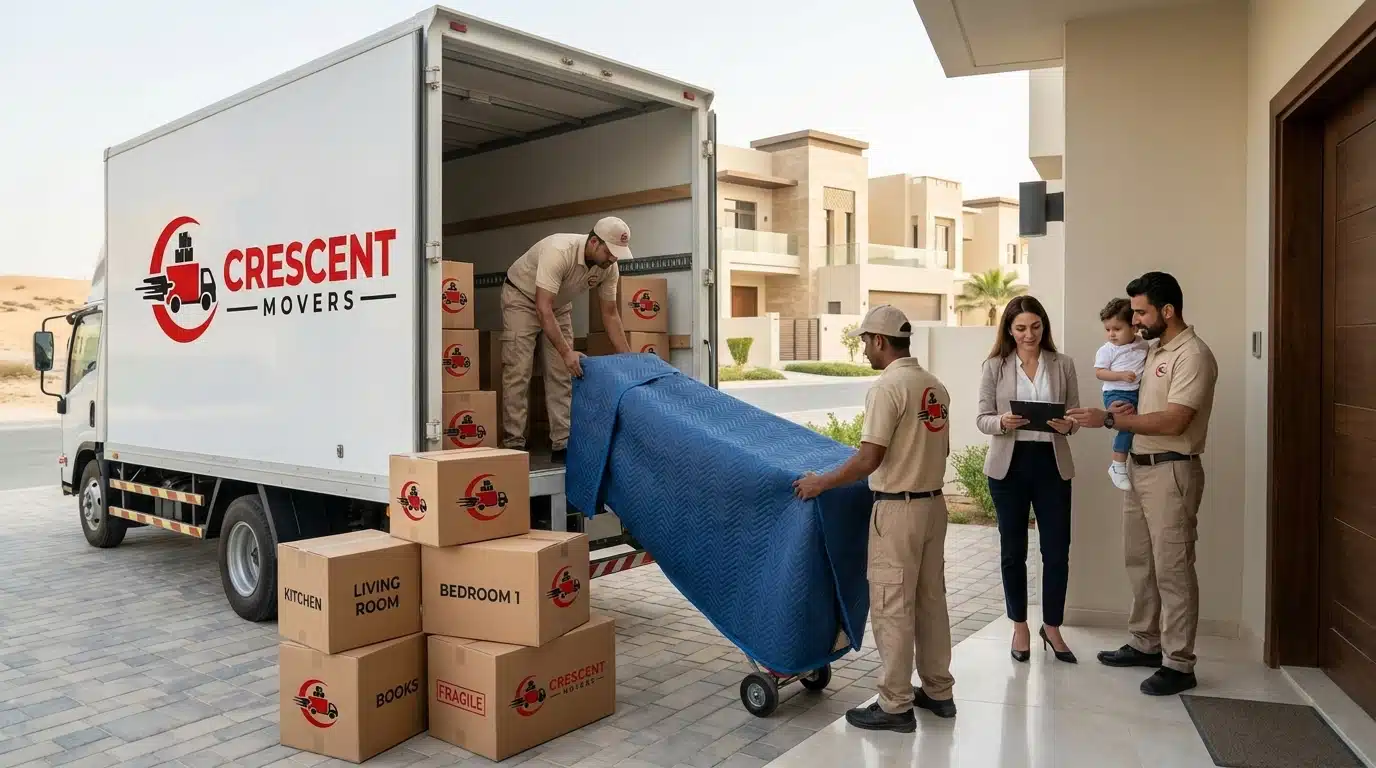
A family can be excited about moving into a new home, only to realize after starting the preparation that relocation involves far more decisions than expected.
There are belongings to sort, boxes to organize, furniture to prepare, documents to keep accessible, schedules to coordinate and property requirements to confirm. When these tasks are handled at the last minute, even a straightforward move can become difficult to manage.
A well-planned home relocation guide Abu Dhabi approach is about breaking the move into smaller stages and making decisions before moving day arrives.
Instead of trying to solve every problem at once, you can create a timeline, organize your belongings, prepare important items, plan furniture placement and confirm access requirements in advance.
This guide explains how to prepare for a residential move in Abu Dhabi from the early planning stage through packing, furniture preparation, moving-day coordination and final setup.
Why Home Relocation Requires Proper Planning
A home move can involve dozens of decisions, and many of them are connected.
For example, the amount of furniture you decide to keep affects how much packing is required. The type of property you are moving into can affect furniture placement. Building access can influence the moving schedule, while your family's daily routine can determine which belongings should be packed first.
Without a clear plan, these decisions can pile up close to moving day.
Proper planning can help with:
- Managing your time
- Keeping belongings organized
- Reducing last-minute problems
- Coordinating family members
- Preparing the property
- Making packing more manageable
- Planning the destination before arrival
It is also useful to think about the move as a sequence rather than one single event.
The process usually starts with deciding what needs to move, continues through packing and preparation, and ends with transportation, unloading and setting up the new property.
The more decisions you can make before moving day, the fewer decisions you need to make while the actual move is taking place.
Create A Moving Timeline Before Your Relocation
A timeline gives you a practical framework for preparing without rushing everything into the final few days.
The exact amount of time needed depends on your home, belongings and moving requirements, but dividing preparation into stages can make the process easier.
30 Days Before Moving
A month before the move is a good point to establish the overall plan.
Start by:
- Sorting your belongings
- Creating a moving plan
- Reviewing your furniture
- Identifying items that require special handling
- Researching the support you may need
- Thinking about the new home's layout
This is also the right stage to identify belongings you no longer want.
Do not wait until the last day to decide what should be discarded, sold, donated or stored.
If you have a large household, consider creating a simple inventory of major items such as beds, sofas, dining tables, wardrobes, appliances and electronics.
The objective is to understand the scale of the move before packing begins.
14 Days Before Moving
Two weeks before the move, preparation should become more practical.
Start:
- Packing less frequently used belongings
- Organizing important documents
- Preparing fragile items
- Sorting clothing
- Reviewing kitchen items
- Planning furniture placement
Think about what you still need for everyday life and what you can safely put into boxes.
Seasonal belongings, decorative items, books and rarely used household goods can normally be prepared earlier than everyday essentials.
At this stage, you should also have a clearer idea of which furniture will go into which room at the new property.
7 Days Before Moving
During the final week, the focus should move toward completion.
Aim to:
- Complete most packing
- Prepare essentials
- Confirm arrangements
- Label boxes
- Separate important documents
- Check large furniture
- Review access requirements
Prepare a separate bag or box containing the items you will need immediately after reaching the new home.
This can include clothing, toiletries, chargers, medication, basic kitchen items and important personal belongings.
How To Organize Your Belongings Before Moving
One of the biggest challenges of a home move is deciding what should actually travel to the new property.
Moving is a useful opportunity to reduce unnecessary belongings before they are packed.
Decluttering
Go through each room and divide belongings into practical categories:
- Keep
- Sell
- Donate
- Dispose
- Store
Do not automatically pack everything just because you already own it.
A piece of furniture that has not been used for years may create extra work during packing, transportation and unpacking.
Room-By-Room Sorting
Instead of creating one large pile of belongings, work through the home systematically.
Start with one room and identify:
- Everyday belongings
- Rarely used items
- Fragile items
- Large furniture
- Items that need special handling
This makes packing more organized and reduces the chance of forgetting something important.
Labeling Boxes
Clear labels can make unloading much easier.
A simple label can include:
ROOM + CONTENTS + PRIORITY
KITCHEN – GLASSWARE – FRAGILE MASTER BEDROOM – CLOTHING – OPEN FIRSTThis tells you where the box belongs and how quickly you are likely to need it.
Creating An Inventory
You do not need to list every small item individually.
Focus on major furniture, valuable belongings, appliances, electronics and other important items.
An inventory can help you understand how much needs to be moved and can make it easier to check major belongings after arrival.