
How to Pack Artwork and Wall Decorations for Moving
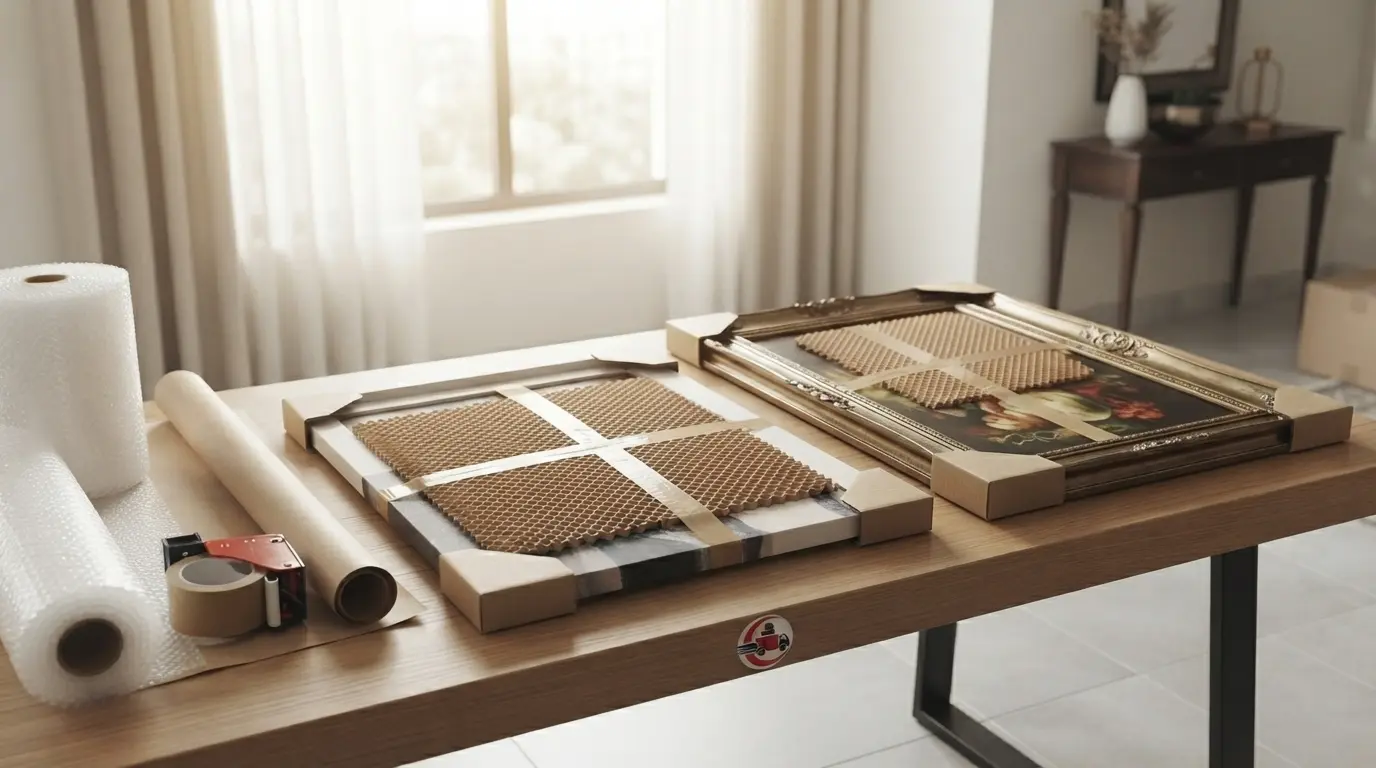
Artwork can be difficult to pack because different pieces need different kinds of protection. A framed family photograph, a canvas print, a large painting and a decorative wall ornament may all look similar in size, but their surfaces, frames and construction can make them vulnerable in different ways.
Glass can crack if a frame is knocked or compressed. Canvas may be dented by pressure, while paper prints can crease when they bend inside a box. Decorative items with protruding parts may also catch on other belongings during handling.
The best approach is to identify what you are packing, choose appropriate protective materials and prevent each piece from shifting during transportation. This guide explains how to prepare common types of artwork and wall decorations, from framed pictures to delicate prints and unusual wall ornaments.
Why Artwork Needs Special Care During a Move
Artwork is often flat, relatively fragile and difficult to protect with ordinary packing methods alone. A blanket can cushion a frame, for example, but it may not prevent the frame from bending or the artwork from moving inside its packaging.
Common risks include:
- Broken glass: Framed pictures can be damaged by impacts or pressure against the glazing.
- Scratched surfaces: Abrasive materials can mark frames, photographs and exposed artwork.
- Bent prints: Paper artwork can crease when it is folded or insufficiently supported.
- Damaged corners: Frame corners and decorative mouldings can chip when knocked against doorways or boxes.
- Pressure on canvas: A heavy object pressing against a canvas can dent the fabric or damage its surface.
- Movement inside boxes: Loose packaging allows artwork to slide, collide with other pieces or strike the box walls.
Different artwork requires different protection. The aim is to cushion the piece, support its structure and keep unsuitable materials away from delicate surfaces.
1. Sort and Inspect Artwork Before Packing
Start by collecting the artwork and wall decorations you intend to move. Separate them by type, size, condition and handling requirements.
You might create separate groups for:
- Framed pictures and photographs.
- Canvas paintings and canvas prints.
- Unframed art prints and posters.
- Valuable or sentimental artwork.
- Decorative wall ornaments and lightweight hangings.
- Oversized or unusually shaped pieces.
Before wrapping anything, inspect the front, back, frame, corners and hanging hardware. Look for loose joints, cracked glass, damp backing, peeling paint or other existing damage.
Taking photographs of the front and back of valuable pieces can help document their condition before transportation.
If artwork is already damaged, has a delicate painted surface or is particularly valuable, seek advice from a qualified framer or art conservator before attempting to pack it yourself.
Remove wall-mounted hardware carefully
Remove detachable hanging hooks, screws or brackets only when it is safe and appropriate to do so. Keep small hardware in a labeled bag so it does not scratch the artwork or become separated during the move.
Avoid forcing components that are stuck, fragile or part of the artwork's structure.
2. Gather Suitable Packing Materials
Prepare your materials before you begin. Having everything nearby reduces the chance of leaving a piece exposed while searching for additional supplies.
Depending on the artwork, you may need:
- Clean, acid-free tissue paper or suitable glassine for appropriate surfaces.
- Bubble wrap or soft cushioning for the outside of the protective layers.
- Cardboard or foam-board sheets for rigid support.
- Cardboard or foam corner protectors.
- Picture or mirror boxes in suitable sizes.
- Clean packing paper for filling gaps.
- Low-tack painter's tape for appropriate applications.
- Strong packing tape for sealing boxes.
- Labels and a marker.
Not every material is appropriate for every surface. For example, bubble wrap should not be placed directly against a delicate painted or textured surface because contact can cause impressions, sticking or abrasion. Use a suitable barrier and follow the advice of an art professional for sensitive pieces.
Avoid placing ordinary adhesive tape directly on artwork, painted frames or delicate finishes. Secure the protective wrapping to itself or to suitable outer packaging instead.
3. Protect Framed Pictures and Glass
Framed pictures require protection for both the artwork and the frame. The glass or acrylic front, frame corners and hanging hardware can all be vulnerable during handling.
Protect the glass surface
If the frame has glass, inspect it for cracks or existing damage before packing.
Some people use painter's tape in an X pattern across intact glass to help hold fragments together if it breaks. This does not prevent the glass from cracking, and it is not suitable for every frame or glazing type. Do not apply tape directly to the artwork or a delicate frame finish.
Cover the piece with an appropriate protective layer, then add cushioning around the outside.
Protect the frame corners
Corners often receive direct impacts when a frame is moved through doorways or placed in a box.
Use cardboard or foam corner protectors suited to the frame's shape. Make sure they fit securely without crushing decorative moulding or putting pressure on the artwork.
Add rigid support
For suitable framed pieces, rigid cardboard or foam-board sheets can provide additional protection against bending and pressure. Position them so they support the frame without pressing against the image or glazing.
Wrap the protected frame with cushioning, paying particular attention to its edges and corners.
Keep each piece from moving
Place the wrapped frame in a picture box of an appropriate size. Fill empty spaces with clean cushioning so the piece cannot slide around, but do not pack it so tightly that pressure is transferred to the frame or glass.
4. Pack Canvas Paintings and Unframed Artwork
Canvas and unframed artwork need a different approach because their surfaces may be exposed.
Protect the painted surface
Do not place bubble wrap, rough cardboard or adhesive tape directly against a painted canvas.
For stable, fully cured artwork, suitable acid-free tissue or glassine may provide a protective surface barrier. However, the right material depends on the paint, finish and condition. If the surface is tacky, flaking, textured or recently painted, consult an art conservator before allowing any material to touch it.
Prevent bending and pressure
Canvas can be damaged when pressure is applied to its face or when the support structure flexes.
Use suitable rigid boards around the protected piece where appropriate. The boards should provide support without bowing inward or pressing against the painted surface.
Keep heavy objects away from the canvas and do not stack other boxes on top of it.
Handle unframed artwork with care
Unframed paper artwork should be kept flat and supported to reduce bending. Larger pieces may need a suitable portfolio, flat box or rigid-board sandwich.
Do not fold a print to make it fit into a smaller container.
A stretched canvas should not be rolled as though it were a poster. Rolling may damage the canvas or paint. Only roll artwork specifically designed for that method, and follow the maker's or conservator's recommendations.
5. Protect Art Prints, Posters and Photographs
Paper prints and photographs can crease, scratch or pick up marks if they rub against other materials.
Keep prints flat
Where practical, place individual prints in suitable sleeves or between clean protective sheets. Support them with rigid boards that prevent bending.
Choose a flat container large enough to hold the artwork without folding or curling its edges.
Separate individual pieces
Avoid placing several unprotected prints directly on top of one another. Use appropriate interleaving material when the paper and print finish permit it.
For delicate, limited-edition or valuable prints, use archival materials recommended for the particular artwork. Do not assume that ordinary paper, plastic or adhesive products are safe for every finish.
Pack photographs carefully
Keep framed photographs protected as framed artwork. For loose photographs, use suitable sleeves or albums and place them in a container that will not bend under pressure.
Sentimental photographs and irreplaceable images deserve additional attention because their personal value may not be reflected in their replacement cost.
6. Pack Decorative Wall Items Separately
Not every wall decoration is a picture or painting. Mirrors, wall clocks, lightweight ornaments, plaques and pieces with projecting details may need different packing arrangements.
First, check whether any part can be safely removed without damaging the item. Keep removable fittings in labeled bags.
Wrap each decoration individually when its shape or finish could damage another object. Use suitable cushioning around fragile edges and projecting components.
For items with glass, ceramic parts or irregular shapes, make sure the protective material supports the vulnerable areas without putting concentrated pressure on them.
Avoid placing loose decorative pieces together in a box simply because they fit. Sharp edges, hooks and heavy components can scratch or break nearby items.
For oversized, unusually shaped or especially valuable decorations, consider purpose-made packaging or specialist advice.
7. Choose the Right Box and Protect the Corners
Choose a box designed for pictures or mirrors when its dimensions and construction suit the piece. The box should leave enough space for protective layers without allowing the artwork to move freely.
Before sealing it:
- Check that the box base is secure.
- Place suitable cushioning at the bottom.
- Position the wrapped artwork carefully.
- Fill the side gaps with appropriate protective material.
- Check that the piece does not shift when the box is moved gently.
- Close and seal the box securely.
Do not force an oversized frame into a box that is too small. If a piece is too large for available cartons, it may need a custom protective enclosure.
Label the outside clearly with instructions such as FRAGILE, ARTWORK and THIS SIDE UP where appropriate. Labels help communicate handling requirements, but they do not replace secure packing.