
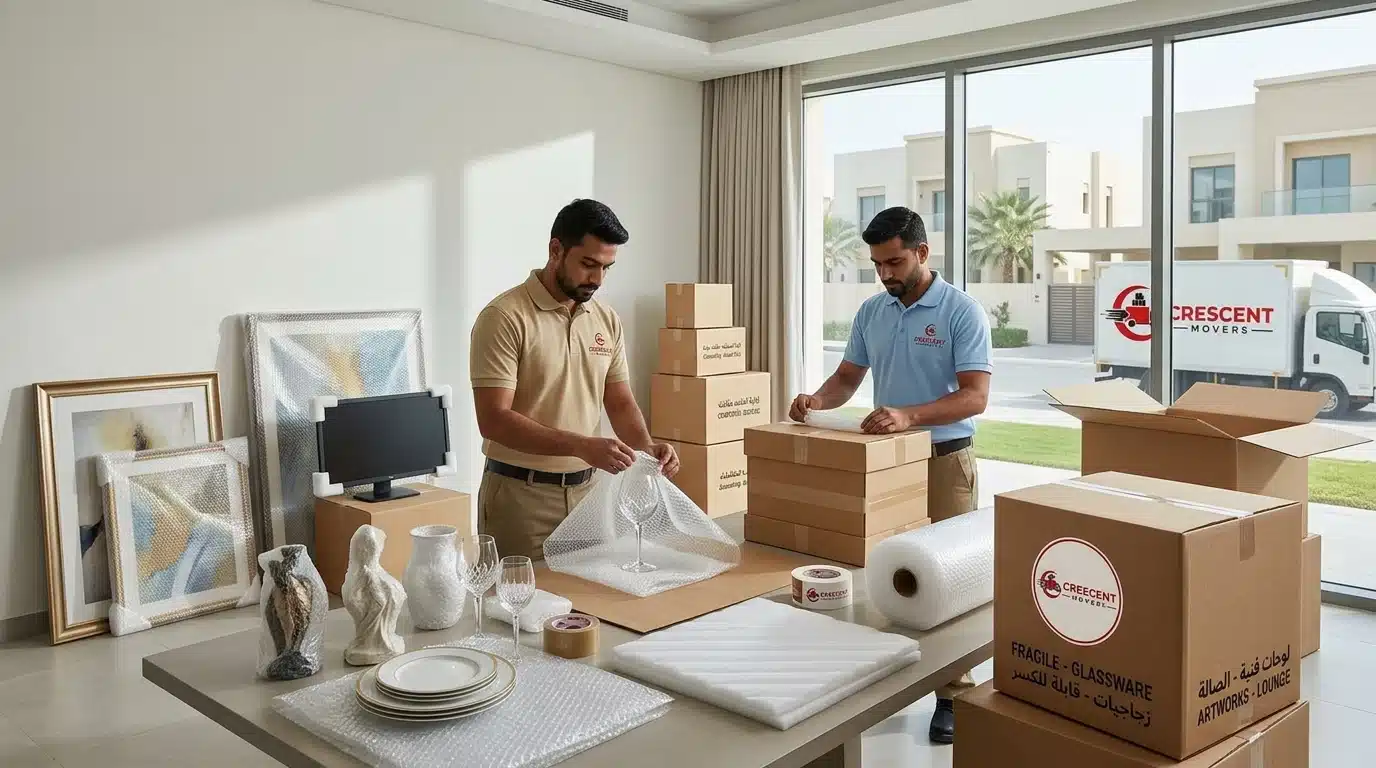
Moving day timeline showing professional relocation process in Abu Dhabi
MOVING GUIDE

Moving Day Timeline: What Happens From Start To Finish?

A customer wakes up on moving day surrounded by boxes and immediately starts wondering what happens next. When will the moving team arrive? Which belongings are handled first? What happens to large furniture? How are boxes loaded? And when everything reaches the new home, where does it go?

Knowing the moving day timeline beforehand can make the entire experience easier to manage. Instead of trying to make decisions while furniture is being moved and boxes are being loaded, you can prepare in advance and understand the general sequence of the relocation.

A professional moving process usually follows an organized series of steps, beginning with final preparation and continuing through assessment, furniture protection, loading, transportation, unloading and placement at the new property.

For families, apartment residents and first-time movers in Abu Dhabi, understanding this process can reduce uncertainty and make communication with the moving team easier.

Why Understanding The Moving Process Matters

Moving day can involve many different activities at the same time. Furniture needs to be handled, boxes need to be organized, access routes need to remain clear and important belongings need to be kept separate.

Understanding the process beforehand can help with:

  • Reducing moving-day stress
  • Preparing the property before the team arrives
  • Communicating requirements clearly
  • Keeping important belongings separate
  • Organizing boxes by room
  • Planning furniture placement
  • Avoiding unnecessary delays

A clear process also helps everyone understand their responsibilities.

For example, the household can focus on personal essentials, documents and valuables while the moving team concentrates on handling, loading and transporting the belongings that are part of the move.

The exact sequence can vary depending on the property, number of belongings, access arrangements and moving requirements. However, having a general timeline gives customers a useful framework for planning the day.

Before Movers Arrive: Final Preparation

The moving process actually begins before the moving team reaches the property.

A few final checks can make the morning more organized and give the team a clearer starting point.

Keep Important Items Separate

Documents, valuables and personal essentials should be identified before the move begins.

Consider keeping items such as:

  • Passports and identification documents
  • Property documents
  • Financial records
  • Medication
  • Personal electronics
  • Keys
  • Essential clothing
  • Important personal belongings

These items may be easier to manage when kept separately rather than placed inside general moving boxes.

The same applies to anything you will need immediately after reaching the new property. Preparing an essentials bag or separate box can save time when you arrive.

Check Packed Boxes

Before movers arrive, take a quick look at the packed boxes.

Check that:

  • Boxes are properly sealed
  • Fragile boxes are clearly marked
  • Room destinations are visible
  • Important items have not been packed accidentally
  • Heavy boxes are manageable
  • Loose belongings are secured

If packing is still incomplete, it is better to identify this before the moving process gets underway.

For households that need assistance with preparation before moving day, a packing service in Abu Dhabi can be considered as part of the relocation process.

Prepare The Property

The moving team needs a practical route between the property and the vehicle.

Where possible:

  • Keep pathways clear
  • Remove unnecessary obstacles
  • Confirm elevator access
  • Keep entry points accessible
  • Confirm parking arrangements
  • Make building access information available

For apartment residents, building procedures can be particularly important because elevators, loading areas and security access may need to be coordinated before the move.

Moving Day Morning: What Happens First?

Once the moving team arrives, the first stage is generally about understanding the move before the physical loading begins.

Team Arrival And Assessment

The moving team can review the belongings and confirm the moving plan.

This may involve looking at:

  • Furniture
  • Packed boxes
  • Large belongings
  • Fragile items
  • Access routes
  • Stairs or elevators
  • Loading areas
  • Items requiring additional handling

This initial assessment helps establish how the belongings can be moved from the property to the vehicle.

It is also a useful opportunity for the customer to point out anything that requires particular attention.

For example, you may want to identify a fragile decorative item, a large piece of furniture or a box containing important belongings.

Furniture Protection

Large furniture can be exposed to scratches, impacts and contact with walls or doorways during handling.

Depending on the item and moving arrangement, furniture may be prepared using suitable protective materials such as moving blankets or wrapping.

The team may also consider the route that large furniture needs to take through the property.

This is particularly important for:

  • Sofas
  • Tables
  • Cabinets
  • Beds
  • Large shelving
  • Other bulky furniture

Businesses and households that require assistance with significant furniture handling can explore furniture movers in Abu Dhabi as part of their relocation planning.

Loading Process: How Movers Handle Your Belongings

After preparation, the physical loading process begins.

Loading is not simply a matter of carrying everything to the truck as quickly as possible. The way belongings are organized can affect how efficiently the move progresses and how easily items can be unloaded later.

Furniture Dismantling

Some furniture may need to be dismantled before transportation.

Depending on the furniture, this can include removing:

  • Legs
  • Shelves
  • Drawers
  • Detachable components
  • Other parts that make transportation easier

Large furniture should be assessed individually rather than dismantled unnecessarily.

Safe Lifting

Moving large or heavy belongings requires appropriate handling.

The route should be considered before an item is carried through:

  • Doorways
  • Corridors
  • Staircases
  • Elevators
  • Building entrances

The objective is to move items through the property without creating unnecessary contact with walls, doors or other belongings.

Box Organization

Boxes should be handled according to their contents and labeling.

Fragile boxes should remain identifiable, while room-based labels can help with placement after arrival.

For example, boxes labeled for the kitchen can be grouped separately from bedroom or living-room belongings.

Truck Loading Order

The arrangement inside the moving vehicle also matters.

Larger and heavier belongings may require careful positioning, while boxes and more delicate items need to be placed appropriately around them.

Proper loading helps create a more organized transportation stage and can make unloading easier at the destination.

Transportation Stage: Moving Your Items Safely

Once the belongings are loaded, the transportation stage begins.

The route and timing can depend on the starting property, destination, traffic conditions and access arrangements.

During transportation, belongings should remain positioned securely inside the vehicle.

Customers may also need to remain available for communication if there are questions about destination access or arrival arrangements.

The transportation stage is only one part of the overall process. A well-organized move connects transportation with the unloading and placement plan at the destination.

Arrival At Your New Home

Reaching the new property does not mean the moving process is finished.

The next stages involve unloading, checking belongings and placing larger items according to the planned layout.

Unloading Process

The moving team can begin unloading according to the agreed arrangement.

Room labels can be particularly useful at this stage.

For example:

  • Bedroom boxes → Bedroom
  • Kitchen boxes → Kitchen
  • Living-room items → Living room
  • Storage boxes → Storage area

This approach can reduce unnecessary movement of boxes after they have already reached the new property.

Customers can also keep an eye on important or fragile belongings as the unloading progresses.

Furniture Setup

Large furniture may need to be positioned according to the new home's layout.

Depending on the furniture and moving arrangement, this can include:

  • Reassembling dismantled furniture
  • Positioning beds
  • Placing sofas
  • Arranging tables
  • Positioning cabinets
  • Setting up other large belongings

Before the move, it can be helpful to decide where major furniture should go.

For a complete household relocation, house movers in Abu Dhabi may be relevant when planning the movement of household furniture and belongings.

Apartment residents may also need to coordinate access, elevator use and building procedures as part of the apartment moving process.

After Moving: First Things To Check

Once the main unloading is complete, take some time to check the new property.

Start with the essentials rather than trying to unpack everything immediately.

Check:

  • Important belongings
  • Furniture
  • Fragile boxes
  • Essential documents
  • Electronics
  • Bedroom essentials
  • Kitchen essentials
  • Bathroom essentials

If major furniture was dismantled, check that the relevant components are accounted for.

It can also help to organize the home room by room rather than opening every box at once.

The first priority is creating a functional space. Detailed organization can happen gradually after the main relocation is complete.

Common Moving Day Mistakes To Avoid

Mistake 1: Not Preparing Before Movers Arrive

The problem: The moving team arrives while boxes are still open, pathways are blocked or important belongings have not been separated.

The solution: Complete as much preparation as possible before the scheduled arrival and keep personal essentials separate.

Mistake 2: Poor Box Labeling

The problem: Unlabeled boxes can make unloading and room placement unnecessarily complicated.

The solution: Label boxes according to room and identify fragile contents clearly.

Mistake 3: Forgetting Important Documents

The problem: Important documents can accidentally become buried among general household belongings.

The solution: Keep passports, property documents, financial records and other essential paperwork separately.

Mistake 4: Not Planning Furniture Placement

The problem: Large furniture arrives at the new home without a clear destination, resulting in unnecessary repositioning.

The solution: Decide where major furniture should go before moving day.

Mistake 5: Poor Communication With Movers

The problem: The moving team may not know about fragile items, access restrictions, special belongings or destination preferences.

The solution: Explain important requirements before loading begins and communicate any changes clearly.

DIY Moving Day vs Professional Moving Process

Both approaches can work, but the workload can be very different.

FactorDIY MovingProfessional Movers
PlanningRequires the household to organize the entire processA structured process can be followed
EquipmentHousehold must arrange suitable equipmentMoving equipment can be part of the moving arrangement
SafetyHandling depends on the people helping with the moveMoving tasks can be handled systematically
TimeMore responsibility remains with the householdCan reduce the physical workload
StressHousehold manages most moving-day activitiesProfessional support can reduce the workload

A smaller move with limited furniture may be manageable independently when sufficient preparation time is available.

A larger household relocation can involve significantly more coordination, particularly when there are many boxes, large furniture items, fragile belongings or building-access requirements.

The appropriate approach depends on the property, belongings, available time and individual moving requirements.

Abu Dhabi Moving Day Considerations

Moving day in Abu Dhabi can involve property-specific requirements that should be confirmed before the relocation.

Apartment buildings and residential communities may have their own procedures for moving vehicles, elevators, loading areas and access.

Before moving day, consider confirming:

  • Elevator booking requirements
  • Parking arrangements
  • Loading-area access
  • Building security procedures
  • Community access
  • Approved moving hours
  • Property-management requirements

The process can differ between locations.

For example, a move involving Al Reem Island may have different building-access arrangements from one in Khalifa City. Properties around Yas Island, Saadiyat Island and Al Raha may also have their own access or management procedures.

Weather is another practical consideration. During warmer periods, customers and moving teams may need to plan the timing and handling of belongings appropriately.

The key is to confirm property-specific requirements in advance rather than assuming that every building or community follows the same procedure.

Frequently Asked Questions

1. What happens on moving day?

Moving day generally involves final preparation, team arrival, assessment, furniture protection, loading, transportation, unloading and placement at the new property.

2. How long does a moving day take?

The duration depends on the size of the move, number of belongings, distance, property access and amount of preparation required. Smaller moves may take less time than larger relocations.

3. What should I prepare before movers arrive?

Keep important documents and valuables separate, finish packing where possible, label boxes, clear pathways and confirm parking or building access arrangements.

4. Do movers pack items on moving day?

Packing arrangements vary. Some moves may include packing support, while others are prepared by the household before the moving team arrives. Confirm the packing requirements in advance.

5. How do movers protect furniture?

Furniture can be prepared with suitable protective materials and handled carefully through doorways, corridors, elevators and other access routes.

6. What happens after movers arrive at the new home?

The team unloads belongings, places boxes according to the agreed arrangement and positions or reassembles suitable furniture according to the moving plan.

7. Should I stay home during moving?

It is generally useful for someone responsible for the move to remain available for communication, particularly when decisions about furniture placement, access or special belongings may be required.

8. How can I make moving day easier?

Prepare in advance, label boxes clearly, keep essentials separate, confirm property access and communicate important requirements to the moving team before loading starts.

Conclusion

Understanding the moving day timeline can make a relocation easier to organize because you know what to expect from the first preparation steps through to unloading and setup.

The process starts before the moving team arrives. Important belongings should be separated, boxes should be checked, pathways should be cleared and property-access requirements should be confirmed.

Once the team arrives, the move can progress through assessment, furniture protection, loading and transportation before reaching the unloading and setup stage at the new home.

Furniture placement and box labeling can make the destination stage more organized, while a final inspection helps ensure that important belongings have arrived and essential items are easy to access.

For households planning a relocation in Abu Dhabi, building requirements should also be confirmed in advance. Apartment buildings and communities can have different procedures for elevators, parking, loading areas and access.

Whether the move involves a villa, apartment or another residential property, the objective is the same: prepare carefully, communicate clearly and follow an organized process from beginning to end.

For help with the practical requirements of your relocation, you can Contact Crescent Movers to discuss your move.