
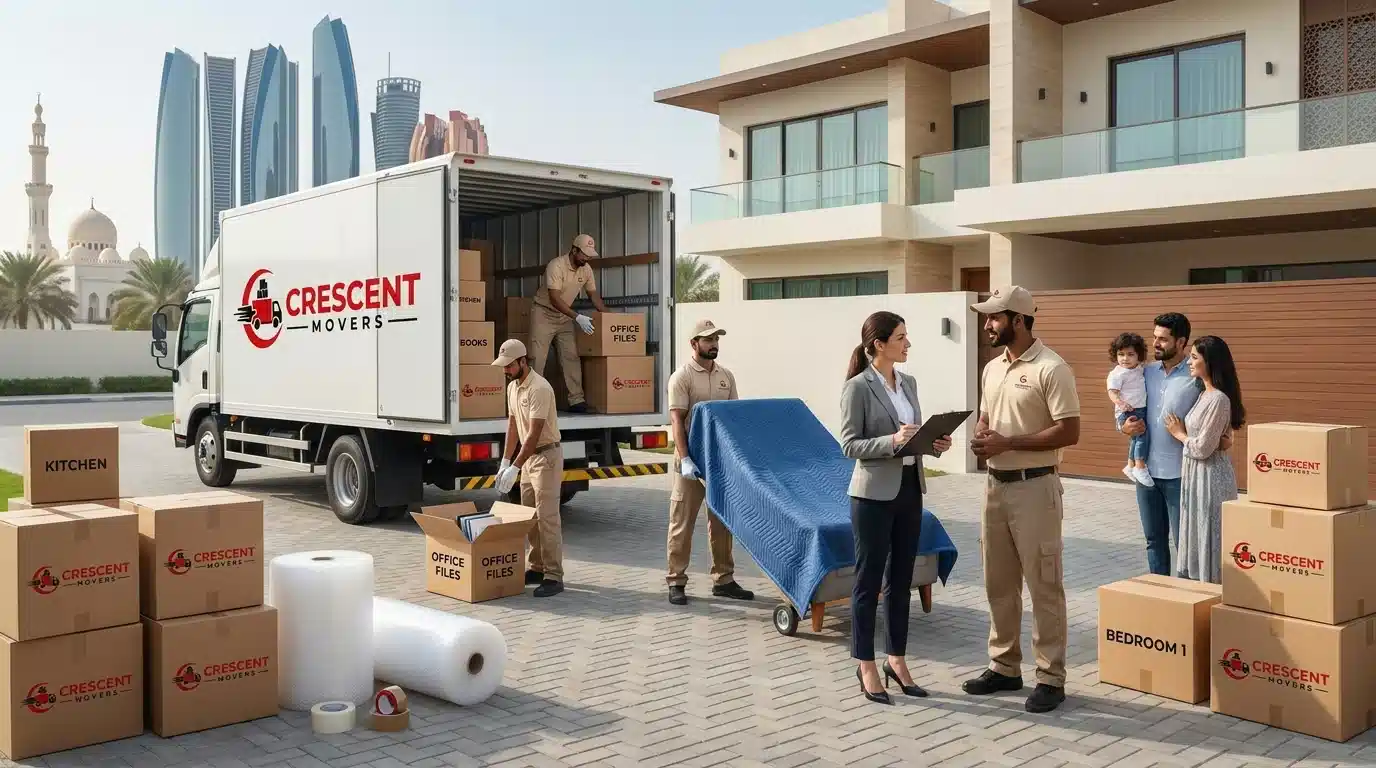
Many people think moving only means loading boxes into a truck and delivering them to another property. In reality, a relocation can involve much more planning and coordination.
A typical move may involve deciding what needs to be moved, preparing belongings, protecting furniture, arranging access to the property, loading items carefully, transporting everything safely and placing belongings at the destination.
This is why understanding Moving Services Explained can be useful before choosing relocation support. Different households and businesses have different requirements, and not every move needs the same level of assistance.
A family moving from one home may need packing, furniture handling and transportation. Someone moving from an apartment may also need elevator coordination and building access planning. A business relocation can involve office equipment, employee coordination and a carefully structured schedule.
Professional support can simplify these different stages by bringing the required services together around the property, belongings and timeline.
What Does A Professional Moving Service Include?
Professional relocation is generally a process rather than a single task. The exact services depend on the move, but the main stages often include planning, packing, loading, transportation, unloading and furniture placement.
Planning
Planning is the starting point because every property has different requirements.
Before moving day, it can be useful to consider the amount of furniture, number of boxes, fragile belongings, access routes, parking arrangements and available time. Apartment buildings may require elevator scheduling, while villas and offices may have different loading requirements.
A clear plan also helps determine which belongings should be prepared first and how furniture should be handled.
Packing
Packing protects belongings and creates a more organized moving process.
Different items may require different approaches. Glassware, artwork and other fragile belongings need more attention than ordinary household goods. Electronics need their accessories and cables organized, while furniture may need protective covering during handling and transportation.
Some customers pack everything themselves, while others prefer professional packing assistance for part or all of the move.
Loading
Once belongings are ready, loading involves moving them from the property to the vehicle in an organized way.
Large furniture, fragile boxes and heavier household items may need to be handled differently. A structured loading process can also help make unloading more organized at the destination.
Transportation
Transportation is the stage most people associate with moving, but it is only one part of the overall process.
The vehicle needs to accommodate the belongings being moved, while the route and timing may need to be considered around property access and the moving schedule.
Unloading
At the destination, belongings need to be unloaded carefully and placed according to the plan.
Good organization during unloading can make it easier to identify which items belong in different rooms and which belongings should remain accessible first.
Furniture Placement
Moving does not necessarily finish when everything enters the new property.
Large furniture may need to be positioned in bedrooms, living areas, dining spaces or offices. Having a basic placement plan before moving day can reduce unnecessary repositioning.
Residential Moving Services
Residential relocation covers several different types of homes, and the practical requirements can vary significantly between them.
A house, villa and apartment may all contain similar household belongings, but their access conditions, layouts and furniture-handling challenges can be very different.
House Relocation
A family home may contain a combination of furniture, appliances, electronics, boxes, personal belongings and fragile items.
The residential moving process can therefore involve several connected stages, including preparation, packing, furniture handling, transportation and final placement.
Families with larger households may also benefit from preparing an inventory of major belongings before moving. This can make it easier to understand what needs to be transported and where larger items should go at the destination.
When the relocation involves a complete household and several stages of preparation, professional home relocation support can be considered as part of the overall plan.
Crescent Movers' current residential service information describes support around planning, packing, furniture handling, transportation and final placement.
Apartment Relocation
Apartment moves often introduce additional access considerations.
High-rise buildings may have elevator schedules, parking limitations, security procedures, shared areas and specific access conditions. These factors can affect when and how belongings are moved.
A smaller apartment may also have limited space for preparing furniture and boxes, making organization particularly important.
For someone moving from a studio, flat or larger residential unit, apartment relocation support can help structure the move around the property's requirements.
Crescent Movers' apartment service page specifically discusses elevator access, parking, building entry and shared spaces as factors that require planning.
Packing And Protection Services
Packing is often one of the most time-consuming parts of a relocation, especially when a household contains fragile or valuable belongings.
Fragile Items
Glassware, mirrors, decorative objects and artwork may require individual protection and suitable packing materials.
The objective is not simply to place everything inside boxes. Items should be organized in a way that reduces unnecessary movement inside the carton.
Electronics
Computers, televisions, monitors, printers and other electronics should be prepared carefully.
Keeping cables, accessories and smaller components together can make the setup process easier after reaching the new property.
Furniture Protection
Furniture can come into contact with walls, doors and other surfaces during handling. Corners, edges, glass surfaces and polished finishes may therefore require additional protection.
Organization
Good packing also makes unloading easier.
Labels can identify the room, contents and priority of each box. For example, marking a carton as KITCHEN – GLASSWARE – FRAGILE provides more useful information than simply writing "Kitchen."
When customers need assistance with preparation and protection, professional packing support can be included as part of the relocation process.
Crescent Movers' website describes packing and protection using boxes, bubble wrap, furniture blankets and other packing materials.