
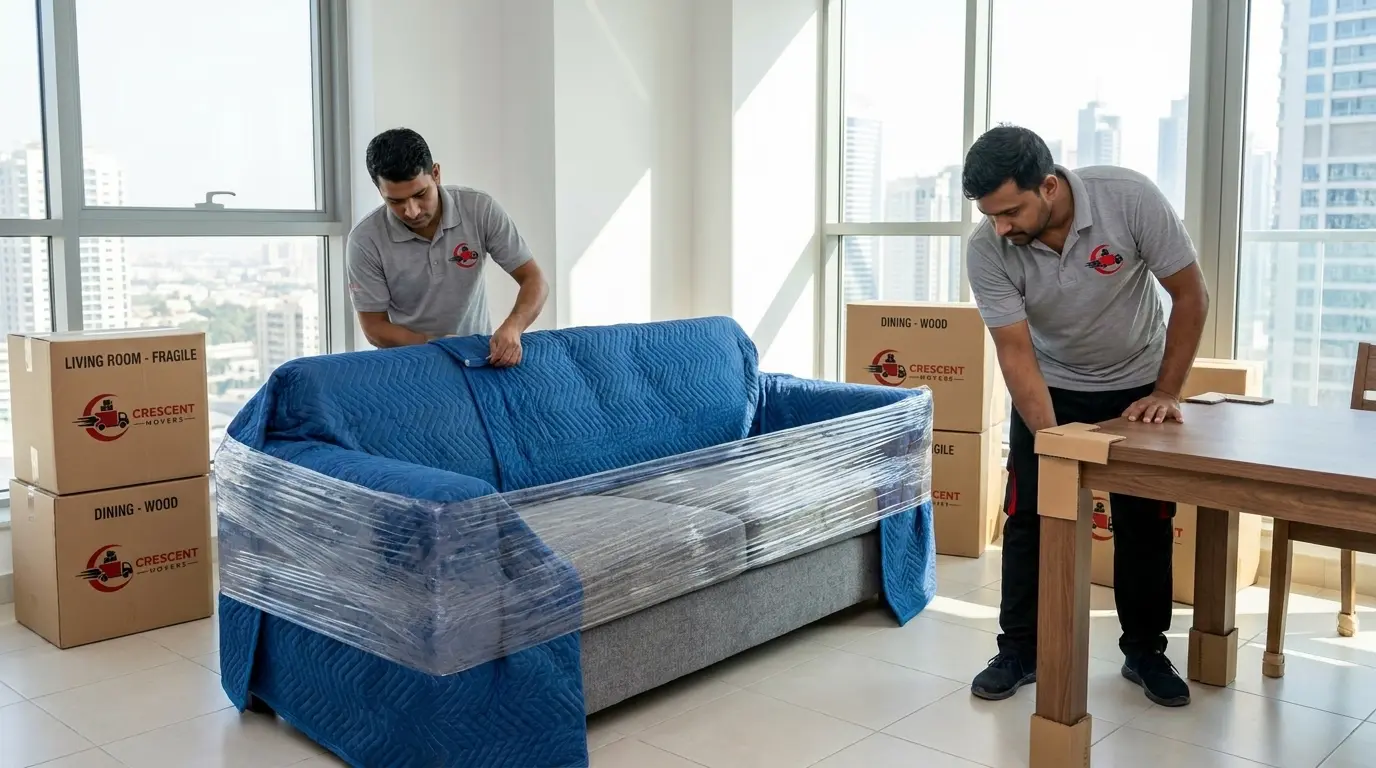
How To Protect Furniture During Moving in Abu Dhabi
A family may spend years choosing furniture for its home. Some pieces have significant financial value, while others may have sentimental importance that cannot easily be replaced. During relocation, these items can face several handling challenges, from contact with walls and doorways to movement during loading and transportation.
This is why knowing how to protect furniture during moving is an important part of home relocation preparation.
Furniture protection starts before moving day. Large pieces should be inspected, loose components identified, surfaces prepared and access routes considered. The right protection method also depends on whether the item is made from wood, glass, fabric or another material.
For families, villa owners and apartment residents in Abu Dhabi, furniture preparation can also involve practical considerations such as elevators, narrow spaces, parking arrangements and the route between the property and moving vehicle.
The goal is not simply to get furniture from one address to another. The goal is to prepare each item appropriately, handle it carefully and place it safely at the destination.
Why Furniture Protection Matters During Moving
Furniture can be one of the most difficult parts of a relocation because large items are not as easy to pack and carry as ordinary boxes.
A carton can usually be sealed and labeled, but a sofa, wardrobe, dining table or cabinet may require several preparation steps before it can be moved.
Financial Value
Furniture can represent a significant household investment.
Large sofas, dining sets, wardrobes, beds and other pieces may be expensive to replace. Even when an item is not new, damage to its surface, structure or finish can affect its usefulness and appearance.
Proper preparation gives furniture better protection during the stages where accidental contact or movement may occur.
Emotional Value
Not every valuable piece of furniture is valuable because of its price.
Some items may have been passed between family members, purchased for an important occasion or associated with a particular period of life. Damage to such an item may be difficult to compensate for simply by purchasing another piece.
This is another reason to consider the specific handling requirements of furniture before relocation.
Damage Risks
Furniture can encounter several potential risks during a move.
- Scratches
- Dents
- Surface marks
- Broken glass
- Fabric damage
- Contact with walls or doorways
- Damage to detachable components
The level of risk depends on the furniture, the property layout and how the item is handled.
Transportation Movement
Furniture can also experience movement during transportation.
A properly prepared item should be positioned and protected in a way that considers its shape, surface and other belongings being transported alongside it.
The objective is to reduce unnecessary movement and contact during the journey.
Proper Preparation
Furniture protection begins before the item leaves the room.
Inspect the furniture, identify removable parts, consider its dimensions and review the route it needs to take. This preparation can reveal potential problems before moving day rather than after the item is already being carried.
Different Types Of Furniture That Need Extra Care
Not every piece of furniture requires the same protection method.
A wooden dining table has different requirements from a fabric sofa, while a glass cabinet may require additional attention because of its fragile surfaces.
Wooden Furniture
Wooden furniture can be affected by scratches, impacts and contact with hard surfaces.
Tables, wardrobes, cabinets, beds and wooden chairs should be examined before preparation.
Pay particular attention to:
- Corners
- Edges
- Finished surfaces
- Decorative sections
- Exposed wooden areas
When you want to protect wooden furniture, the preparation should focus on keeping vulnerable surfaces covered and reducing unnecessary contact during handling.
Moisture is another consideration for certain wooden finishes. Furniture should be prepared according to its material and finish rather than treated as if every wooden item has the same requirements.
Sofas And Upholstery
Sofas, armchairs and other upholstered furniture can collect dust or become exposed to marks during handling.
Fabric surfaces may also be vulnerable to contact with walls, floors or other items.
Before moving upholstered furniture, consider:
- Fabric condition
- Exposed edges
- Removable cushions
- Armrests
- The route through the property
Keeping removable cushions and loose components organized can also make handling easier.
Glass Furniture
Glass furniture requires particular attention because the material can break or develop visible damage if handled improperly.
Examples may include:
- Glass tables
- Glass cabinets
- Display units
- Glass shelves
Glass sections should be identified before moving so that they can receive appropriate protection and careful handling.
Avoid placing heavy objects against fragile glass surfaces and consider the route through doors, corridors and elevators before the item is moved.
Antique Or Valuable Pieces
Antique or valuable furniture may require additional care because of its construction, finish, age or design.
Such pieces should be assessed individually.
Before moving an important item, consider whether it has:
- Fragile decorative details
- Removable components
- Delicate finishes
- Glass sections
- Unusual dimensions
The more unusual the furniture, the more important it becomes to understand how it should be handled before moving day.
How To Prepare Furniture Before Moving
Good furniture preparation is a combination of inspection, cleaning, dismantling where appropriate, surface protection and access planning.
Clean Furniture Before Packing
Furniture should be reasonably clean before protection is applied.
Cleaning can make it easier to inspect the item for existing marks, scratches or other conditions before the move.
This also helps you understand which areas require additional protection.
Take a moment to check:
- Corners
- Edges
- Drawers
- Handles
- Glass sections
- Visible surfaces
The purpose is not to perform extensive restoration. It is simply to understand the condition of the furniture before handling begins.
Remove Loose Parts
Some furniture contains components that can become loose during movement.
Depending on the construction, these may include:
- Drawers
- Shelves
- Accessories
- Detachable legs
- Other removable parts
Removing a component can sometimes make furniture easier to handle, but not every piece should automatically be dismantled.
The decision should depend on the construction, dimensions and access route.
Keep removed parts organized and associated with the correct furniture item so they can be identified later.
Protect Surfaces
Furniture surfaces can come into contact with door frames, walls, floors and other objects while being moved.
Appropriate protective materials may help reduce this contact.
Common approaches can include:
- Moving blankets
- Protective wrapping
- Padding
- Corner protection
The protection should match the material and shape of the furniture.
For example, exposed corners may need additional padding, while a polished surface may require protection against scratches.
Measure Large Furniture
Measuring large furniture before moving can prevent access problems.
Check the dimensions of items such as:
- Sofas
- Wardrobes
- Beds
- Dining tables
- Large cabinets
Then consider the route from the furniture's current position to the vehicle.
Important points can include:
- Doorways
- Hallways
- Staircases
- Elevators
- Building entrances
- Loading areas
A piece that fits comfortably inside a room may still create a problem at the doorway or elevator entrance.
Planning the route in advance is therefore an important part of moving furniture safely.