
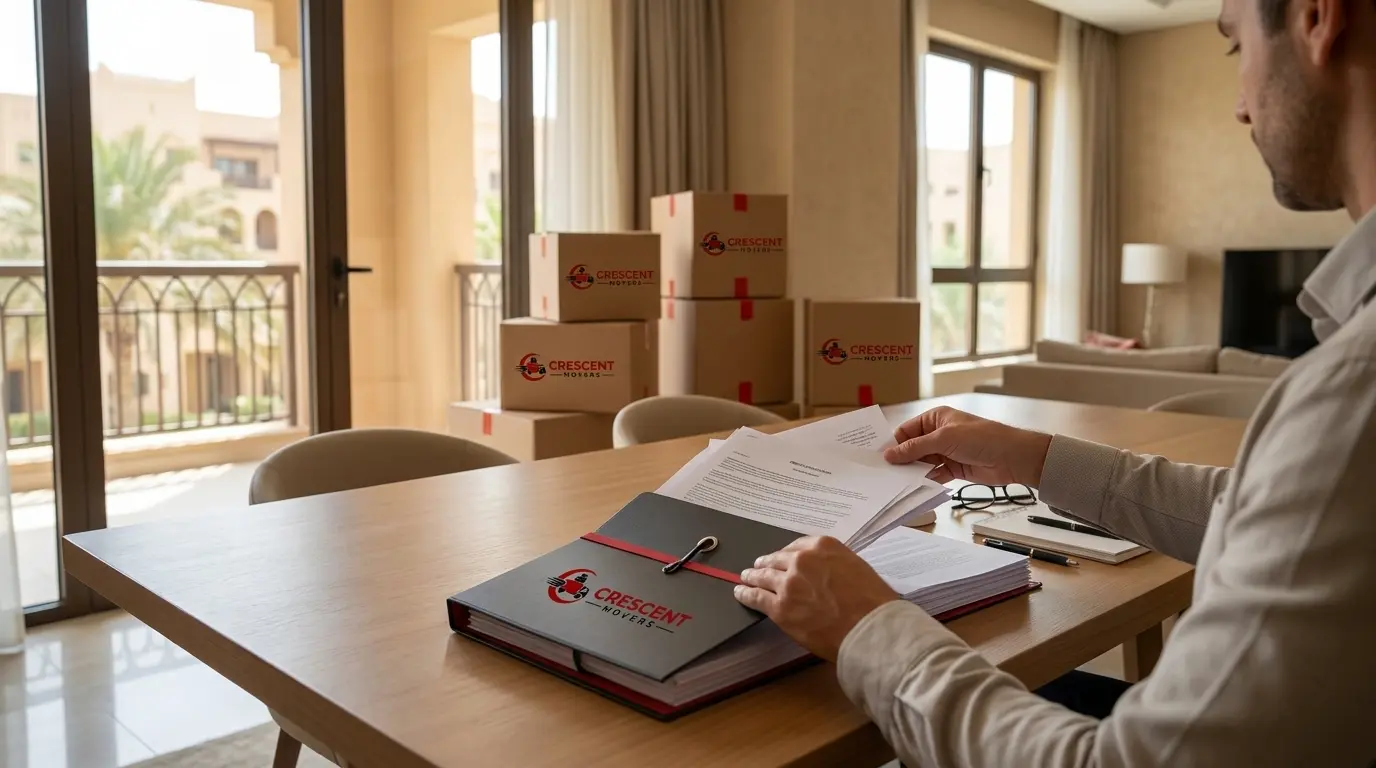
How to Keep Important Documents Safe During a Move
When preparing for a move, it is easy to concentrate on furniture, moving boxes, and everything that needs to be packed. Important paperwork can receive less attention until you suddenly need a passport, tenancy agreement, insurance record, or other document that has already been sealed inside a box.
Unlike many household belongings, important documents may be difficult or time-consuming to replace. Some contain sensitive personal information, while others may be needed to complete administrative tasks, verify ownership, manage finances, or settle into a new home.
The safest approach is to treat important paperwork separately from ordinary household belongings. Gather it early, organize it in one secure place, make appropriate digital backups, and keep the originals accessible throughout the move.
A simple document-management plan can help prevent avoidable stress before, during, and after moving day.
Why Important Documents Need Special Attention
Documents are small, lightweight, and easy to overlook. They can be placed in drawers, filing cabinets, handbags, desk organizers, or folders in different rooms. When packing begins, papers from these locations can easily become mixed with items that are being boxed for transportation.
Several problems can arise when paperwork is not handled separately:
- Essential documents may be packed in a box that is difficult to locate.
- Original papers may become wet, torn, folded, or stained.
- Sensitive information may be exposed if records are left unattended.
- Different documents may become mixed together, making them difficult to identify.
- You may need a document before the boxes have been unloaded or unpacked.
- Important records may accidentally be discarded during decluttering.
The goal is not simply to pack papers neatly. It is to know what you have, protect what matters, and maintain access to the documents you may need during the transition.
Identify the Documents You Should Keep Safe
Start by gathering important paperwork from across your home. Check filing cabinets, desk drawers, bedside tables, document folders, storage boxes, and any other place where records are kept.
The exact documents you need will depend on your circumstances, but these categories are a useful starting point.
Personal identification
- Passports
- National identity cards
- Birth certificates
- Marriage certificates
- Residency or visa documents, where applicable
- Driving licences
Financial and insurance records
- Important bank documents
- Insurance policies and certificates
- Tax records that you need to retain
- Loan or mortgage paperwork
- Financial agreements
Property and tenancy documents
- Tenancy agreements
- Property ownership records
- Move-in or move-out inspection reports
- Relevant utility documents
- Insurance records relating to the property
Family, education, and medical records
- School records and transfer documents
- Academic certificates
- Medical records you need to retain
- Prescriptions or relevant treatment information
- Important documents relating to dependants
Moving-related paperwork
- Moving estimates and agreements
- Written confirmations
- Inventory records
- Contact details for relevant service providers
- Receipts and documents you may need to refer to during the relocation
You do not necessarily need to carry every piece of paperwork you own. Separate the documents you need to retain from old papers that can be securely discarded, and avoid disposing of records until you have checked whether they are still required.
Create a Dedicated Moving Documents Folder
Once you have gathered your paperwork, place the documents you need during the move in one dedicated folder, binder, or portable document case.
Choose something that closes securely and is easy to carry. A folder with internal pockets can work for a small collection, while a compact document case may be more suitable for a family with several sets of records.
Organize the contents into clearly identified sections, such as identification, property, finance, family records, and moving paperwork. Keep documents in their original protective sleeves where appropriate, and avoid folding certificates or other papers that should remain flat.
It can also help to separate documents into two groups:
Carry with you: Originals and essential records that you may need during the move or shortly after arrival.
Keep securely stored: Records that you need to retain but do not expect to use immediately.
The second group should still be protected and accounted for. Do not put essential originals into an ordinary moving box simply because they are not needed on the day itself.
If several family members are moving together, organize each person's documents clearly so that records do not become mixed up.
Make Secure Digital Backups Before Packing
Digital copies provide an additional layer of protection if a paper document is misplaced, damaged, or temporarily inaccessible. They do not replace originals when an institution or official process specifically requires an original document, but they can make information easier to retrieve.
Before packing, scan or photograph the documents that would be difficult to replace or that you may need to consult.
For useful digital backups:
- Capture every page that contains relevant information.
- Check that the text is readable and the entire page is visible.
- Give each file a clear name so you can identify it quickly.
- Store the files in a secure location that you can access when needed.
- Protect the account with a strong password and multifactor authentication where available.
- Check that the files have uploaded successfully before relying on them.
For example, a file name such as Property-Tenancy-Agreement.pdf is more useful than a generic name such as Scan004.pdf.
Because identity and financial documents can contain sensitive information, do not upload them to public folders or share unrestricted links. Use a trusted storage method with suitable privacy and security controls.
You should also make sure you can access your digital backups if your main phone is lost or its battery runs out. Depending on your needs, a secure secondary device or another recovery method may be appropriate.
Keep Original Documents Separate From Household Boxes
One of the most useful rules for moving-day preparation is to keep essential paperwork separate from the household items being transported in ordinary boxes.
A document folder should have a clearly defined place and a responsible person who knows where it is. If several people are helping with the move, explain that the folder is not part of the items to be packed.
Keep the folder with you in a secure, accessible location rather than placing it in the moving vehicle among general household goods. This reduces the chance of having to search through sealed boxes when a document is needed.
Before leaving the old property, check the usual places where paperwork is stored:
- Desk drawers
- Filing cabinets
- Bedroom drawers
- Shelves and cupboards
- Handbags or personal bags
- Home-office storage
- Safes or locked cabinets
If you maintain a moving inventory, use it to keep track of the household belongings being relocated, while maintaining a separate record of the important documents you are carrying yourself.
Protect Paperwork From Water, Heat, and Physical Damage
Paper can be damaged by moisture, spills, crushing, tearing, and excessive heat. A secure folder helps keep documents together, but its protection depends on the type of case and the conditions in which it is carried.
Consider these precautions:
- Use a sturdy folder or document case that closes properly.
- Keep paperwork away from drinks, cleaning liquids, and other potential spills.
- Avoid leaving documents in direct sunlight or a hot vehicle for extended periods.
- Keep papers away from damp areas and wet belongings.
- Do not place heavy objects on top of unprotected documents.
- Keep documents flat where their condition or format makes this important.
For particularly valuable or difficult-to-replace records, consider a protective document pouch or suitable case. Check the product's actual protection specifications rather than assuming every case is waterproof or fire-resistant.
If a document is already damaged, avoid applying heat or household chemicals in an attempt to repair it. Handle it carefully and seek suitable advice if it is an important original.