
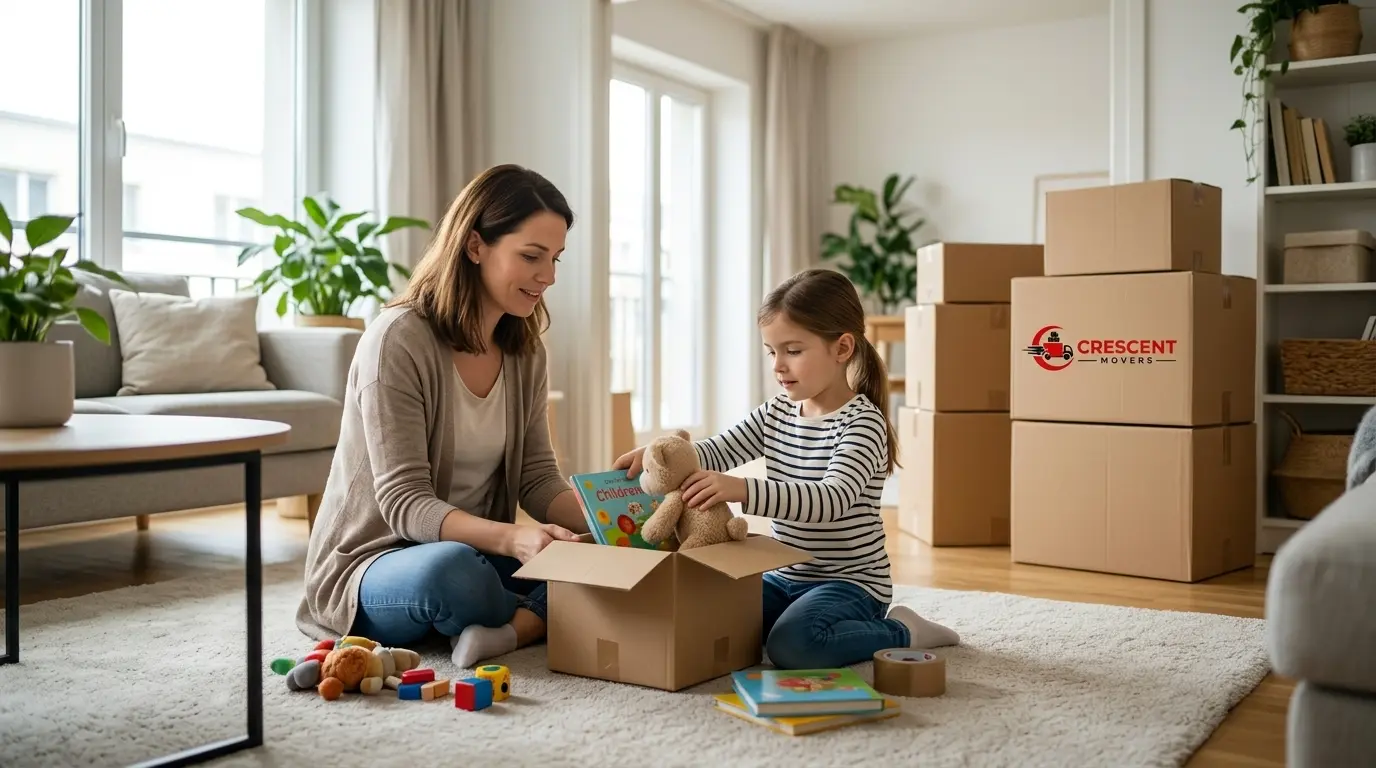
How to Prepare Children for Moving to a New Home
Moving to a new home can be an exciting change for parents, but children may experience it differently. They might look forward to having a new bedroom while feeling sad about leaving their friends, school, familiar surroundings, or favourite places.
Children do not always have the words to explain these feelings. Younger children may become clingier or ask the same questions repeatedly, while older children may worry about friendships, school, or fitting into a new community.
The best way to prepare children for moving to a new home is to explain what is happening, give them time to process the change, involve them in manageable decisions, and preserve familiar routines wherever possible.
You cannot remove every uncertainty, but you can help your children understand what to expect and feel that they are part of the transition.
Why Moving Can Be Difficult for Children
Home is more than a building. It is where children sleep, play, learn, spend time with family, and develop relationships with neighbours and friends.
Moving may change several parts of their everyday lives at once. A child who is comfortable with a familiar bedroom, school route, playground, and group of friends may feel uncertain when those things are about to change.
Common concerns include:
- Leaving friends, classmates, or teachers behind.
- Sleeping in an unfamiliar bedroom.
- Worrying about attending a different school.
- Not knowing what the new neighbourhood will be like.
- Losing access to favourite playgrounds or activities.
- Feeling that important decisions are being made without their involvement.
Some children may appear excited initially and become upset closer to moving day. Others may seem unconcerned until they arrive at the new property.
Try not to assume that a child who does not ask questions has no worries. Offer opportunities to talk without insisting that they explain every feeling immediately.
Tell Children About the Move in an Age-Appropriate Way
Whenever the plans are sufficiently certain, explain the move before the last-minute preparations begin. The amount of notice will depend on your circumstances, but children generally benefit from having time to understand what will happen.
Use clear, honest language. Explain why the family is moving, what the next steps are, and what your child can expect.
For a younger child, you might say that the family will be living in a different home, taking their toys and belongings along, and making the new bedroom comfortable together.
Older children may want more detail about the reason for the move, the neighbourhood, their school arrangements, or how they will stay in contact with friends.
Avoid making promises you cannot guarantee. For example, do not promise that your child will immediately love the new home or that they will never lose touch with a friend.
Instead, focus on what you know and what you can help them plan.
Give Children Time to Ask Questions and Express Feelings
Children may have questions that seem small to adults but are important to them.
They might ask whether their favourite toys are coming, whether they can keep their bedroom decorations, or whether they will still be able to see a particular friend.
Answer questions patiently, even if they are repeated. A child may need to hear the same explanation several times before the change feels understandable.
It is also important to allow mixed feelings. Your child can be excited about the new home and sad about leaving the old one at the same time.
You can acknowledge those feelings without trying to immediately change them. For example, if your child says they do not want to leave their friends, recognize that saying goodbye can be difficult before discussing ways to stay connected.
If you do not yet know the answer to a question, say so and explain when you expect to know more. Honest communication can be more reassuring than an answer that later turns out to be incorrect.
Prepare Children Differently According to Their Age
Children understand change differently as they grow. Adapt your preparation to their age, communication skills, and individual personality rather than expecting every child to respond in the same way.
Toddlers and Preschoolers
Young children may not fully understand dates, distances, or the practical reasons for moving. They are more likely to benefit from simple explanations, repetition, familiar objects, and predictable routines.
Show them pictures of the new home if available. Talk about where their bed, toys, and favourite belongings will go. A picture book or simple story about moving may also help them understand the sequence of events.
Keep favourite comfort items accessible, especially during the final nights in the old home and the first nights in the new one.
Primary-School Children
School-age children may understand the move but worry about losing friendships, changing teachers, or having to learn new routines.
Give them opportunities to ask specific questions. If appropriate, show them the new school, neighbourhood, nearby parks, or places where they may take part in familiar activities.
Allow them to help with simple tasks, such as choosing which books to pack first or deciding where some belongings will go in their new room.
Teenagers
Teenagers may be particularly concerned about friendships, independence, schoolwork, extracurricular activities, and the effect of moving on their social lives.
Give them space to discuss those concerns seriously. Where possible, involve them in practical decisions that affect their privacy and daily routines.
They may want to research the new area, understand the journey to school, or plan how to maintain existing friendships. Avoid dismissing these concerns simply because the move is a family decision.
Help Children Become Familiar With the New Home
An unfamiliar place can feel less intimidating when children know something about it before arrival.
If possible, visit the new property together. Let children see the rooms, identify where their belongings might go, and ask questions about the spaces they will use most often.
If a visit is not practical, use photographs, a video tour, or a simple drawing of the layout.
You can also explore the surrounding area together. Look for useful places such as parks, shops, libraries, sports facilities, or other locations that match your child's interests.
For a move within Abu Dhabi, this might mean helping your child become familiar with the new residential community and understanding how everyday activities will work after the move.
Do not present every detail as a guaranteed improvement. Instead, help children build a realistic picture of what will change and what opportunities they may have to explore.
- Regular bedtime and wake-up times.
- Familiar meals and snack routines.
- Bedtime stories or other calming activities.
- Regular opportunities to play.
- Time together as a family.
- Familiar comfort items and favourite toys.
Some disruption is inevitable, especially on moving day. Do not worry if every routine cannot be followed exactly.
Instead, identify the routines that matter most to your child and protect those where you can. For one child, it may be a familiar bedtime story; for another, it may be having breakfast together or keeping a favourite toy nearby.
If the packing process is becoming overwhelming, use a simple
to organize practical tasks so that important family routines are less likely to be forgotten.
Help Children Prepare for Leaving Friends and School
Leaving familiar people can be one of the most difficult parts of moving, particularly for school-age children and teenagers.
Give your child time to say goodbye rather than waiting until the final day. If arrangements allow, organize a visit, a small gathering, or another meaningful way to spend time with friends.
Talk about realistic ways to stay connected, such as messaging, phone calls, or video chats with parental guidance where appropriate.
If your child is changing schools, explain what you know about the transition. Share information about the new school, the expected start date, school transport, or any arrangements that are already confirmed.
Avoid promising that making new friends will happen immediately. Instead, remind your child that building relationships takes time and that you can help them find opportunities to meet people through school, activities, or the local community.
Pack a Special Bag for Each Child
A dedicated bag can help children access their important belongings without waiting for household boxes to be unpacked.
Depending on their age and needs, include:
- A favourite toy or comfort item.
- A change of clothes.
- Essential toiletries.
- A familiar book or activity.
- Snacks and a water bottle.
- Any necessary medication handled by a responsible adult.
- A small item that helps them feel connected to home.
For babies and toddlers, include the supplies needed for feeding, changing, naps, and comfort. For older children, let them help choose what goes into their bag.
Keep the bag separate from boxes intended for transportation and make sure a responsible adult knows where it is.
The contents should be practical rather than excessive. The purpose is to make familiar essentials available during a busy day.
Make Moving Day Easier for Children
Moving day can involve noise, unfamiliar people, open doors, furniture being carried, and changes to the usual family schedule.
Think about where your children will be and how their needs will be managed while the property is being loaded and unloaded.
For younger children, consider arranging for a trusted adult to look after them if the home will be busy or difficult to navigate safely. If they remain at the property, make sure they have a clearly defined, safe area away from loading activities.
For older children, explain the day's plan in advance and tell them which adult they can approach if they need help.
Keep their special bags accessible, provide suitable food and drinks, and allow breaks when possible.
If you are using a
, include the children's essential items and arrangements so that they are not overlooked among the furniture and boxes.
Most importantly, do not expect children to stay cheerful or patient throughout the entire process. Moving day can be tiring for adults too. A calm response, realistic expectations, and a little flexibility can make the experience easier for everyone.
Help Children Feel at Home After the Move
Arriving at the new property is only one part of the transition. Children may need time to become comfortable with their new surroundings.
Start by making their sleeping space familiar. Set up the bed, place favourite toys or books where they can find them, and restore familiar bedtime routines as soon as practical.
You do not need to unpack the entire home immediately. Prioritize the belongings and spaces that help children feel secure.
Explore the neighbourhood together and look for opportunities to continue activities they enjoy. If school or childcare arrangements have changed, check in regularly about how the adjustment is going.
Ask open questions, such as what they liked about the day or what felt unfamiliar. Avoid turning every conversation into a test of whether they like the new home.
Some children settle quickly, while others need more time. Be patient and offer reassurance without expecting the transition to follow a fixed schedule.
Signs Your Child May Need Additional Support
Some sadness, uncertainty, or changes in behaviour can occur during a major transition. What matters is how your child is coping over time and whether the difficulties are interfering with everyday life.
Pay attention if your child appears persistently distressed, struggles to sleep over an extended period, withdraws from activities they previously enjoyed, or has difficulty managing school or everyday routines.
Start by listening, maintaining a supportive routine, and discussing your observations with the child's school or another trusted professional if needed.
If distress is severe, persists, or significantly affects daily functioning, consider seeking advice from an appropriate healthcare or child-development professional.
There is no single adjustment timeline that applies to every child. Seek support based on your child's needs rather than assuming they should be settled by a particular date.
A Simple Parent Preparation Checklist
Before moving day, review these practical steps:
- Explain the move in clear, age-appropriate language.
- Give children time to ask questions and share feelings.
- Show them the new home or photographs if possible.
- Discuss school and friendship changes honestly.
- Let children make a few manageable choices.
- Keep important routines as consistent as possible.
- Pack a separate bag with their essential belongings.
- Arrange suitable supervision during loading and unloading.
- Make their sleeping space a priority after arrival.
- Check in regularly as they adjust to the new surroundings.
You can also use a
to keep track of household belongings while keeping each child's essential items separate and easy to locate.
Conclusion
Learning how to prepare children for moving to a new home is about more than explaining a change of address. It means helping them understand what is happening, making space for their feelings, preserving familiar routines, and giving them appropriate ways to participate.
Prepare them early where possible, be honest about what will change, and avoid expecting them to adjust immediately. Small steps—such as showing them the new home, keeping a favourite toy nearby, or arranging time with friends—can make an unfamiliar experience feel more manageable.
If you are planning a family move in Abu Dhabi and would like help organizing the practical side of the relocation, you can contact Crescent Movers to discuss your requirements.
11. Frequently Asked Questions
How early should I tell my children that we are moving?
Tell them when the plans are reasonably certain and you can explain the basic details. The appropriate timing depends on the child's age, temperament, and the circumstances of the move.
How can I explain moving to a young child?
Use simple, honest language and explain what will happen to their belongings and daily routines. Repeat the explanation when needed and use pictures or familiar objects to make the change easier to understand.
What if my child does not want to move?
Listen to the reasons behind their feelings before trying to reassure them. Acknowledge what they will miss, answer questions honestly, and involve them in manageable decisions about the transition.
How can I help my child adjust to a new school?
Share confirmed information about the school, explain the practical arrangements, and give your child opportunities to discuss concerns about teachers and friendships. Allow time for new relationships to develop.
What should I pack for a child on moving day?
Pack essential clothing, snacks, a drink, familiar toys or comfort items, an activity, and any necessary supplies. Keep the bag accessible and make sure a responsible adult knows where it is.
Should children stay at home while the movers are working?
It depends on their age, the layout of the property, and how busy the moving day will be. For younger children or potentially hazardous loading areas, care from a trusted adult away from the main activity may be more suitable.
How can I help my child feel comfortable in the new home?
Set up their sleeping space early, keep familiar routines, make favourite belongings accessible, and explore the new surroundings together. Check in gently and allow them time to adjust.
What if my child continues to struggle after moving?
Continue offering reassurance and pay attention to changes in sleep, mood, school participation, and everyday activities. If distress persists or significantly affects daily life, consider seeking advice from an appropriate professional.
Involve Children in Small Moving Decisions
Children cannot always choose whether a move happens, but they can often influence some parts of the process.
Offering manageable choices can help them feel involved without placing adult responsibilities on them.
For example, let your child choose:
- Which toys to pack in an easily accessible bag.
- Which books to keep nearby during the move.
- Where to place a favourite decoration in the new bedroom.
- Which familiar bedding to use on the first night.
- Which small activity or game to bring for moving day.
Give choices that you can realistically honour. Asking a child to decide whether the family should move is different from letting them choose which toys to pack first.
You can also give age-appropriate responsibilities, such as putting selected books into a box or marking a box containing their own belongings.
The aim is participation, not perfection. Children should not feel responsible for making the entire move run smoothly.
Keep Familiar Routines as Consistent as Possible
Moving can disrupt mealtimes, sleep schedules, playtime, and other familiar parts of family life. Maintaining some routines can give children a sense of continuity while their surroundings change.
Where practical, try to preserve: