
How to Pack Toys and Children's Items for Moving
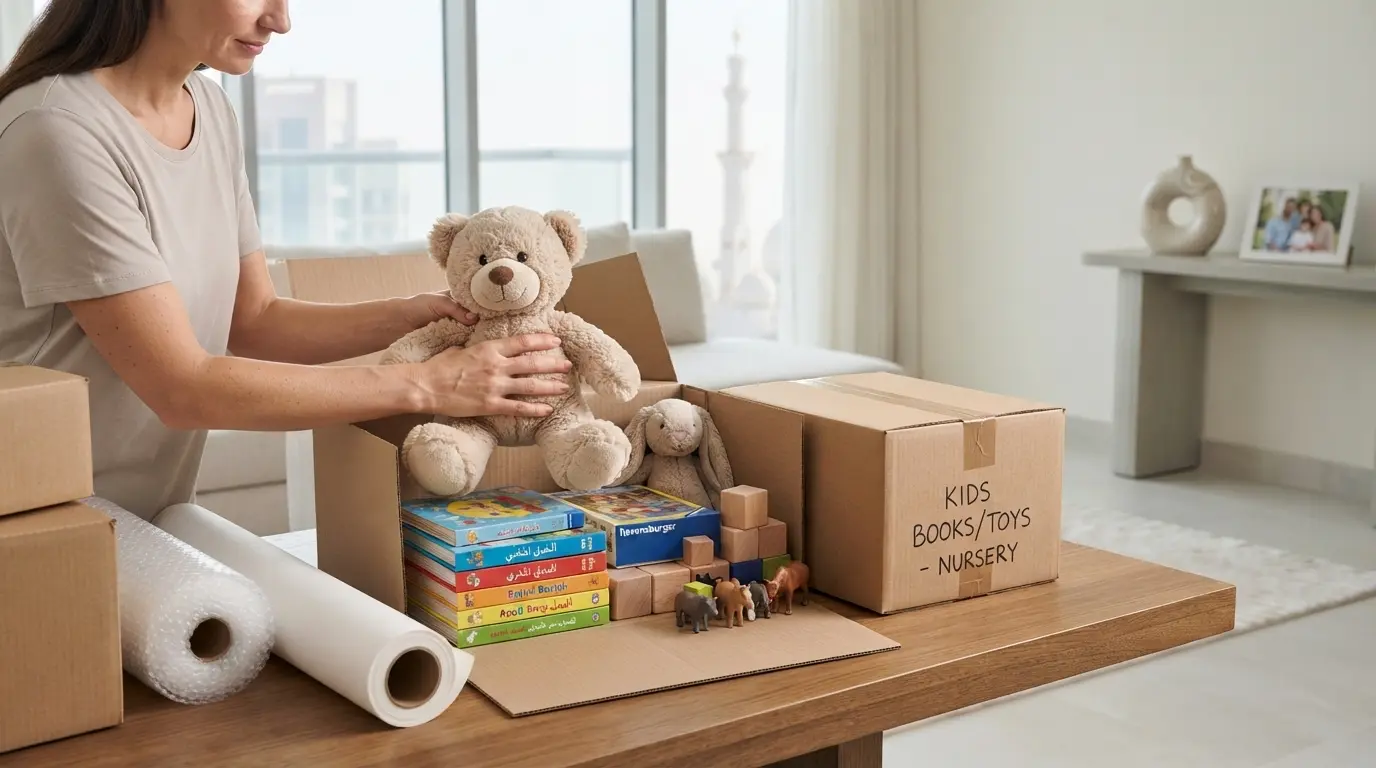
Packing a child's room can take longer than expected. One toy box may contain building blocks, miniature cars, puzzle pieces and small accessories, while shelves hold books, dolls, games and treasured items that your child wants to keep close. Baby equipment, school supplies and artwork add even more variety.
The easiest approach is to sort belongings before packing, group similar items together and choose protection based on what each item needs. This helps prevent small parts from getting lost, reduces the risk of damage and makes it easier to set up your child's room after the move.
This guide explains how to prepare and pack children's belongings systematically, including what to keep accessible during the journey and how to organize boxes for a simpler unpacking process.
Why Children's Belongings Need a Packing Plan
Children's belongings vary considerably in size, weight and fragility. A box of soft toys needs different treatment from a collection of miniature figures, a set of building blocks or a tablet with its charging cable.
A simple packing plan helps you:
- Keep matching toys, accessories and game pieces together.
- Protect delicate toys, books and artwork from avoidable damage.
- Separate clean items from dusty or dirty belongings.
- Find essential items without opening every box.
- Make it easier to organize the child's room at the new home.
Familiar toys and comfort items can also be important during a change of home. Set aside a few favourites before you start packing so they do not disappear into a sealed carton weeks before moving day.
1. Sort Toys and Children's Items Before Packing
Start by gathering items from toy boxes, shelves, cupboards, bedrooms and play areas. Work through one group at a time rather than emptying every storage space onto the floor.
Create four simple categories:
- Keep: Toys, books and belongings your child still uses or wants.
- Donate: Usable items that your family no longer needs.
- Repair or review: Items with missing pieces or damage that need attention before a decision is made.
- Discard: Broken or unusable items that are not worth keeping.
If your child is old enough, let them help choose which toys to keep. Giving them a manageable selection to review can make the process easier than asking them to sort everything at once.
After sorting, group the items you are keeping by type. Keep building sets together, separate books from toys and collect dolls with their accessories. This makes it easier to select suitable containers and label each box accurately.
2. Gather Suitable Packing Supplies
You do not need a complicated collection of materials. Choose supplies according to the items you plan to pack.
| Packing supply | Best use |
|---|---|
| Small and medium boxes | Dense toys, books and mixed small belongings |
| Sturdy bags or clean storage sacks | Lightweight stuffed animals and soft toys |
| Sealable small bags | Building pieces, game parts, doll accessories and cables |
| Packing paper or suitable cushioning | Filling gaps and protecting items from movement |
| Soft protective wrapping | Delicate dolls, collectible toys and easily scratched surfaces |
| Packing tape and labels | Securing cartons and identifying contents |
| Separate personal bag | Favourite toys and essential items needed immediately |
Choose boxes that can be lifted safely once filled. Avoid putting a large quantity of heavy books or dense toys into one oversized carton. Check that containers are clean and dry before placing belongings inside.
3. How to Pack Different Types of Toys
Small toys and building sets
Small toys are easy to lose when they are mixed together loosely. Group them by set, type or storage container before packing.
Place loose pieces in labeled bags. For a construction set, keep its pieces together and label the bag with the set name where possible. If the original container is being packed too, keep the related bag inside it or secure it with the set so the parts are not separated.
Use a small or medium box and fill empty spaces with suitable cushioning material. This limits movement during transportation without putting unnecessary pressure on delicate pieces.
Board games, puzzles and playing cards
Keep each game in its original box where practical. Check that loose pieces are contained before closing it, and secure the lid if it may open during handling.
For puzzles, put loose pieces in a labeled bag inside the puzzle box. Pack game boxes flat and avoid placing heavy items on top of them where that could crush the packaging or damage the contents.
If several games are packed together, write their names on the outer carton rather than relying only on a general label such as “toys.”
Stuffed animals and soft toys
Soft toys are usually lightweight, but they can collect dust or become damp if packed carelessly.
Check whether each toy needs cleaning and allow washed items to dry completely. Place soft toys in clean, dry bags or suitable boxes. Avoid compressing delicate or shaped toys so tightly that they lose their form.
Keep favourite comfort toys separate from the main collection. A child may want one during travel or the first night in the new home, so it should not be buried in a box marked for later unpacking.
Dolls, action figures and collectible toys
Some dolls and figures have fragile accessories, painted surfaces or small parts that can break or become scratched.
Remove loose accessories where appropriate and store them in labeled bags. Wrap delicate pieces individually with suitable protective material, taking particular care around projecting parts, painted details and fragile decorations.
Use the original packaging if it is available and still provides a good fit. Otherwise, choose a sturdy box with enough cushioning to prevent items from shifting. Valuable or particularly delicate collectibles should be packed separately rather than squeezed into a crowded carton.
Children's books, school supplies and artwork
Pack books in small boxes so the finished cartons remain manageable to lift. Keep books together by child, subject or shelf where that helps you organize them later.
Place notebooks and loose papers in folders or document wallets. Protect artwork between flat pieces of clean, rigid material where appropriate, and avoid folding drawings or pressing heavy objects against them.
Keep pencils, crayons, markers and craft accessories grouped together. Check liquid art supplies for leaks and pack them separately from books, paper and fabrics. Follow the product's storage guidance for any materials that may be unsuitable for transport or that need special handling.
Electronic toys and baby items
For electronic toys, keep chargers, cables and removable accessories together with the device they belong to. Remove batteries where the manufacturer's instructions recommend it, especially if an item will be stored for an extended period.
Protect screens and delicate electronic components from impact. Do not pack electronics with liquids or damp items.
Baby items should be grouped according to their use. Keep feeding accessories, comfort items, changing supplies and frequently used essentials separate from belongings that can remain boxed until later. Follow the manufacturer's cleaning, disassembly and transport instructions for equipment such as strollers, high chairs and other larger items.
For broader guidance on preparing other household belongings, see our guide to packing your home before moving.
If you need help packing more than children's belongings, you can learn about our packing service.