
How to Make an Unpacking Plan for Your New Home
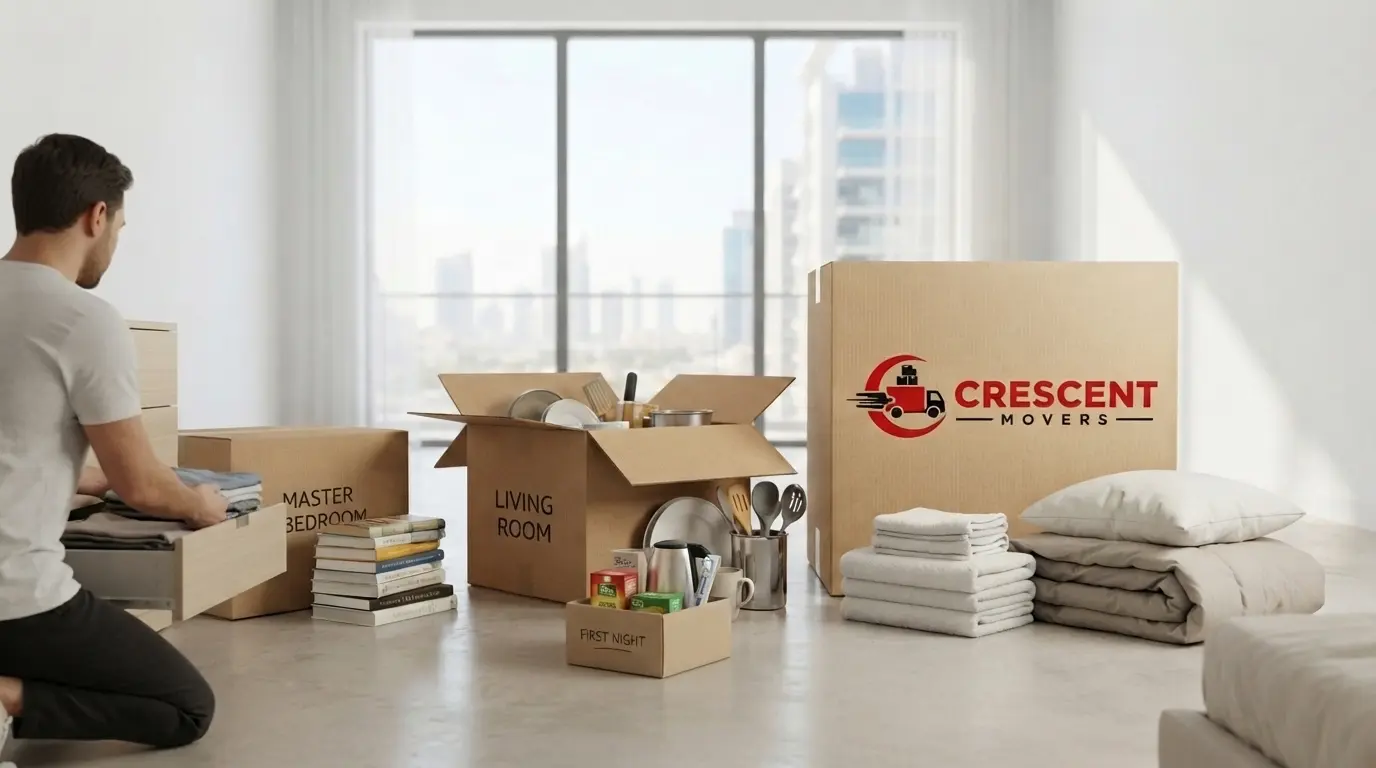
Moving into a new home is exciting, but arriving with boxes in every room can make it difficult to know where to begin. You may need to prepare a meal, find clean clothes, charge your phone or make the beds while the kitchen, bedrooms and living area are still full of unopened cartons.
The easiest way to manage this transition is to create an unpacking plan before you start opening boxes. Instead of unpacking randomly, prioritise the belongings you need immediately, set up essential areas first and work through the remaining rooms in a practical order.
This guide explains how to make an unpacking plan for your new home, organise boxes by priority and avoid turning the first few days into an exhausting project.
1. Prepare Before the Moving Boxes Arrive
A useful unpacking plan starts before you open the first carton. If your boxes are labelled clearly and your priorities are already decided, it becomes easier to direct belongings to the correct rooms.
Label boxes by room and priority
Use clear labels such as “Kitchen — Everyday Items,” “Bedroom — Bedding” or “Bathroom — Toiletries.” Add a simple priority label where helpful:
- Priority 1: Items needed on arrival or the first night.
- Priority 2: Items required during the first few days.
- Priority 3: Belongings that can wait until the main rooms are functional.
If you are still preparing for your move, our guide to packing your home before moving explains how to organise belongings before they are transported.
Decide where each box belongs
Before unloading begins, decide which room will receive each group of boxes. Keep bedroom cartons in the appropriate bedrooms, kitchen boxes in the kitchen and bathroom supplies near their intended storage areas.
This prevents boxes from being piled in the hallway and then moved repeatedly. If you have limited space, designate one temporary area for cartons that do not need to be opened immediately.
Keep important documents and valuables accessible
Passports, identity documents, medication, keys, chargers and essential personal items should remain easy to locate. Avoid putting items you will need urgently into a box marked only “Miscellaneous.”
If possible, keep these essentials in a separate bag that stays with you throughout moving day.
2. Unpack the Essentials for Your First Night
Your first goal is not to finish the entire home. It is to make the property comfortable and functional enough for the first evening and morning.
Prepare a first-night bag or box containing items such as:
- Toiletries, towels and basic personal-care products.
- A change of clothes and sleepwear for each household member.
- Bed sheets, pillows and blankets.
- Phone chargers and necessary electronics.
- Regular medication and essential health items.
- Drinking water, simple snacks and basic eating utensils.
- Toilet paper, hand soap and a small cleaning kit.
- Important documents, keys and any items needed for the next morning.
Keep this box clearly labelled and separate from general household cartons. If it is buried beneath other boxes, you may spend unnecessary time searching for essentials.
Make the sleeping area usable
Set up at least one bed or sleeping area before spending hours organising decorative items or books. Check that you have the bedding, pillows and other essentials needed for a comfortable night.
If beds or other furniture require assembly, identify those tasks early and make sure the necessary parts and tools are available.
Set up basic bathroom facilities
Place toilet paper, hand soap, towels and toiletries where they can be used immediately. If more than one bathroom is available, start with the one that will be most convenient for the household.
A functional bathroom and a ready sleeping area can make the first night much easier, even when most of the home remains unpacked.
3. Set Up Rooms in a Practical Order
There is no single room order that works for every household. The best sequence depends on your family, work schedule, children, pets and the layout of your new property.
For many households, this order is a useful starting point:
| Priority | Area | Initial goal |
|---|---|---|
| 1 | Essentials | Find medication, documents, chargers and daily necessities |
| 2 | Bedroom | Prepare beds, bedding and basic clothing |
| 3 | Bathroom | Make toiletries, towels and hygiene items accessible |
| 4 | Kitchen | Set up drinking water, simple meals and everyday utensils |
| 5 | Living area | Create a comfortable place to sit and relax |
| 6 | Work or study area | Prepare essential equipment if needed soon |
| 7 | Storage and décor | Organise less urgent belongings when time allows |
Treat this table as a flexible plan rather than a strict rule. Someone working from home the next morning may need a functional desk before unpacking the living room. A family with young children may need the children's sleeping and feeding arrangements prioritised.
Make each room functional before making it perfect
Focus on the items you need to use every day. You do not have to organise every drawer, arrange every decoration or decide on the final location of every object immediately.
For example, a functional kitchen may initially need only drinking glasses, plates, cutlery, a kettle and a few cooking essentials. The remaining cupboards can be organised later.
4. Follow a Room-by-Room Unpacking Plan
Working on one area at a time helps you see progress and prevents half-opened boxes from spreading throughout the property.
Kitchen
Begin with the items needed for simple meals and drinks. Unpack everyday plates, cups, cutlery, a few cooking utensils and essential appliances that are ready to use.
Next, organise pantry items, cookware and less frequently used equipment. Check that food is stored appropriately and that cleaning products are kept separate from food and utensils.
Avoid filling every cupboard immediately. Arrange items according to how often you use them, leaving frequently used belongings in convenient locations.
Bedrooms
Start with beds, bedding, sleepwear and a few days of clothing. Then unpack everyday shoes, personal items and work clothes.
Keep seasonal clothing and items you rarely use in labelled boxes until the main storage areas are ready. This allows you to create a comfortable sleeping space without having to finish the entire wardrobe at once.
Bathrooms
Set out toiletries, towels, toilet paper and basic cleaning supplies. Keep medicines and personal-care products stored appropriately, especially if children are in the household.
Once the bathroom is functional, organise additional products and spare supplies without blocking access to essential items.
Living room
Begin with seating, lighting and the electronics you need for everyday use. Keep walking routes clear and avoid stacking cartons where they could obstruct doors or create trip hazards.
Decorations, books, framed photographs and occasional-use items can be unpacked after the room is comfortable and usable.
Home office or study area
If you need to work or study soon, prioritise your desk, chair, computer, chargers and essential documents. Check that equipment can be connected safely and that cables do not cross walking routes.
If you do not need the workspace immediately, leave non-essential office supplies until the main household areas are organised.
Planning Your Next Move?
Good preparation can make moving into your new home more manageable. Crescent Movers can help you plan your relocation and organise the moving process around your requirements.
For enquiries about your upcoming move, contact Crescent Movers to discuss your requirements.
Contact Crescent Movers