
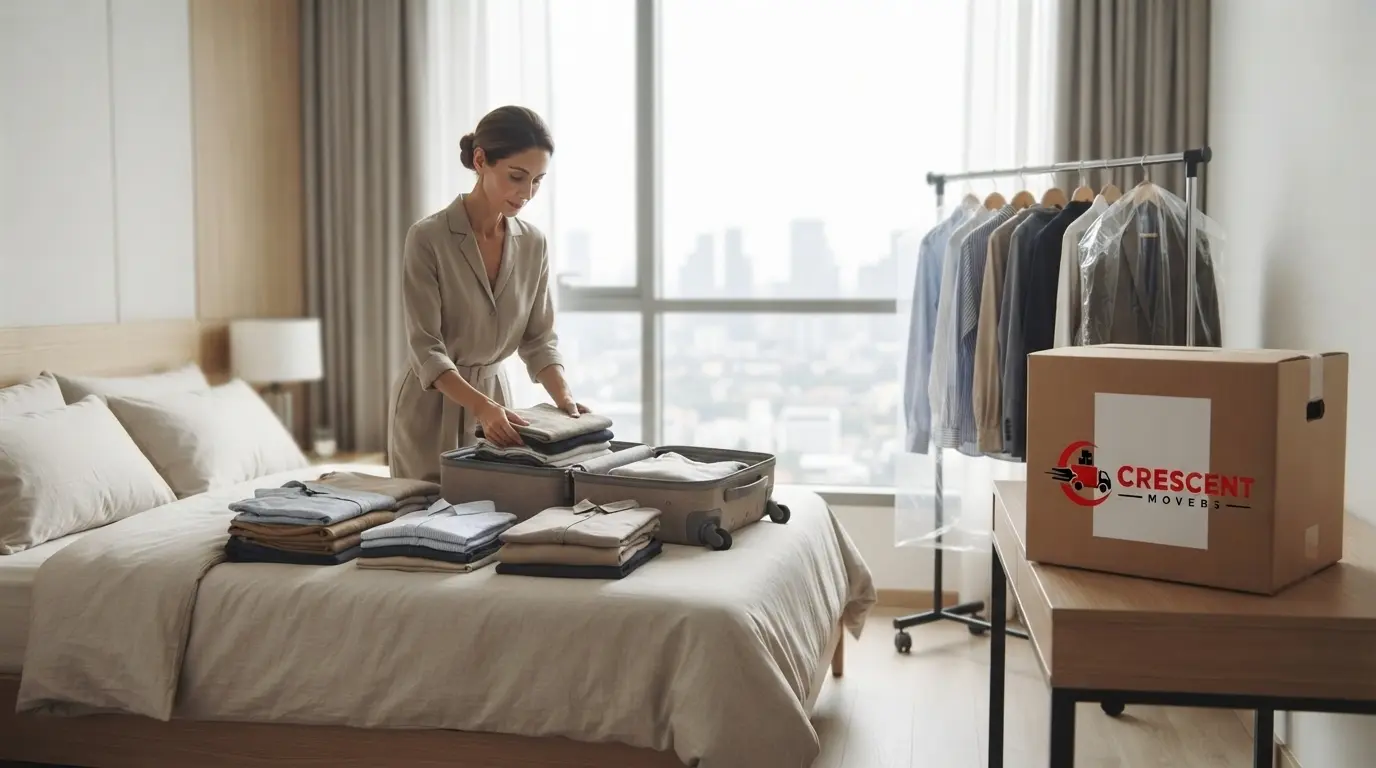
How to Pack Clothes Efficiently for a House Move
Clothing is easy to underestimate when preparing for a house move. Shirts, trousers, dresses, jackets, shoes and seasonal items may seem straightforward to pack, but a full wardrobe can take up considerable space when everything is handled without a plan.
The challenge is not simply fitting clothes into bags or boxes. You also need to keep garments clean, protect delicate fabrics, avoid unnecessary wrinkles and make sure everyday outfits remain accessible until you settle into your new home.
A practical approach begins with sorting your wardrobe, choosing a suitable packing method for each type of clothing and organizing everything so that unpacking is straightforward.
This guide explains how to pack clothes efficiently for a house move, including methods for folded garments, hanging items, delicate fabrics, shoes and everyday essentials.
Why Clothing Needs a Packing Plan
Different types of clothing have different packing requirements.
T-shirts, jeans and casual trousers can usually be folded or rolled. Dresses, suits and other garments that wrinkle easily may benefit from remaining on their hangers. Bulky winter clothing can take up considerable space, while shoes need to be separated from clean fabrics.
Packing everything together without considering these differences can make boxes difficult to organize and unpack.
A simple clothing-packing plan helps you:
- Reduce unnecessary packing volume.
- Keep similar garments together.
- Protect delicate fabrics from avoidable damage.
- Separate clean clothing from shoes and dirty laundry.
- Find essential outfits without opening multiple boxes.
- Identify what has already been packed.
The aim is to choose a practical method for each category rather than using the same approach for every item.
1. Sort Your Wardrobe Before Packing
Before gathering boxes or bags, review the clothing you actually intend to take with you.
Moving provides an opportunity to identify items that no longer fit, are rarely worn or are no longer needed. Packing these items unnecessarily takes time and uses space that could be reserved for belongings you want to keep.
Create four simple groups:
- Keep: Clothing you intend to wear or retain.
- Donate or sell: Suitable items you no longer need.
- Repair or review: Clothing that needs a decision before moving.
- Wear before moving: Everyday items you still need during the remaining preparation period.
Once you have separated these groups, concentrate on packing the clothing you are keeping.
Avoid making rushed decisions about sentimental or valuable garments. Set them aside for a separate review if necessary.
Start with seasonal clothing
Begin with clothes you are unlikely to need before moving day.
Depending on the season and your plans, this might include heavy jackets, specialist clothing or garments that you only wear occasionally.
Keep frequently used outfits accessible for as long as possible. Packing every item too early can leave you searching through boxes when you need something simple to wear.
2. Gather the Right Packing Supplies
Having suitable supplies ready makes it easier to pack clothing consistently.
Depending on your wardrobe, useful items may include:
- Suitcases and travel bags.
- Clean, sturdy boxes.
- Garment bags for suitable hanging clothes.
- Wardrobe boxes with hanging rails.
- Packing paper for appropriate delicate items.
- Clean bags for separating shoes or laundry.
- Labels and a marker.
- Small bags for accessories.
You do not necessarily need every item on this list. Choose supplies according to the quantity of clothing you have and how you plan to transport it.
Suitcases are particularly useful because they are already designed to carry personal belongings. Sturdy boxes can hold folded garments, while garment bags can help protect selected hanging items.
Avoid using containers that are dirty, damp or likely to tear under the weight of their contents.
3. Choose Between Folding and Rolling
Folding and rolling are both useful methods for packing clothing. The right choice depends on the garment, the container and how you intend to organize your belongings.
When folding works well
Traditional folding is suitable for many everyday garments, including:
- Jeans and trousers.
- T-shirts.
- Casual shirts.
- Sweaters.
- Sleepwear.
- Many everyday dresses.
Fold clothing neatly and place similar items together. Try to maintain reasonably even layers so that garments are easy to remove without disturbing the entire container.
Avoid pressing too many items into a small space. Excessive pressure can create creases and make unpacking more difficult.
When rolling can help
Rolling can be useful for lightweight, casual clothing that fits comfortably into a suitcase or travel bag.
For example, T-shirts, casual tops and some lightweight trousers can be rolled into compact bundles.
Rolling is not automatically the best option for every fabric. Structured garments, delicate materials and items that crease easily may be better folded appropriately or transported on hangers.
4. Pack Hanging Clothes Without Removing Every Hanger
Some garments are easier to transport while hanging.
Suits, formal dresses, selected shirts and other wrinkle-prone items may benefit from remaining on their hangers during the move.
There are several ways to manage these garments.
Use a wardrobe box
A wardrobe box is designed to hold hanging clothes on a rail.
Transfer suitable garments from your closet onto the rail, leaving enough room for the clothes to hang without being excessively compressed.
Check that the rail is secure and that the box is not overloaded. Follow the manufacturer's instructions for assembly and weight limits.
Wardrobe boxes can be particularly useful when you have several garments that need to remain hanging.
Use suitable garment bags
Garment bags can provide another option for transporting selected hanging items.
Place the garments inside according to the bag's design and ensure the hangers are supported properly.
For valuable or delicate clothing, check that the bag provides suitable protection for the fabric and the journey involved.
Keep garments grouped together
Avoid mixing hanging garments from different household members without a clear system.
Group them by person or destination room so that they can be transferred to the appropriate closet after arrival.
5. Protect Delicate and Special Garments
Some clothing needs more careful preparation than everyday garments.
Silk, lace, cashmere, formalwear and garments with decorative details may be affected by friction, pressure or unsuitable packing materials.
Before packing, check any care instructions that may affect how the garment should be folded or stored.
Separate delicate fabrics
Keep delicate items away from rough materials, sharp accessories and objects that could snag the fabric.
Where appropriate, use clean protective material between garments or place them in suitable garment bags.
Avoid forcing delicate clothing into tightly packed containers.
Take additional care with formalwear
Wedding dresses, tailored suits and other valuable garments may require specialist handling depending on their construction and condition.
Use a suitable garment bag or the storage method recommended for the particular item. If a garment has a structured shape or special preservation requirements, do not assume that ordinary folding is appropriate.
Keep important garments accessible
If you need a particular outfit shortly after arrival, do not bury it beneath other belongings.
Set aside important clothing before packing the rest of your wardrobe. This is particularly useful for work clothes, uniforms or garments needed for a planned event.
For broader preparation guidance, see our packing your home before moving guide.
6. Pack Shoes Separately from Clean Clothing
Shoes can transfer dirt, dust or moisture to clothing if they are packed carelessly.
Before packing, check that footwear is reasonably clean and dry.
Where practical, keep shoes in their original boxes or use separate bags to prevent their soles from contacting clean garments.
Protect the shape of suitable footwear
Some shoes benefit from light support inside the shoe to help maintain their shape during transportation. Use suitable, clean material and avoid forcing anything into the footwear.
Keep delicate or easily marked shoes separate from heavier pairs.
Organize shoes by use
Group everyday footwear, formal shoes and seasonal footwear separately when that makes unpacking easier.
Avoid placing heavy shoes on top of delicate garments or packing footwear in a way that puts unnecessary pressure on other items.
If shoes are packed inside a suitcase, use separate clean bags or compartments to keep them away from clothing.