
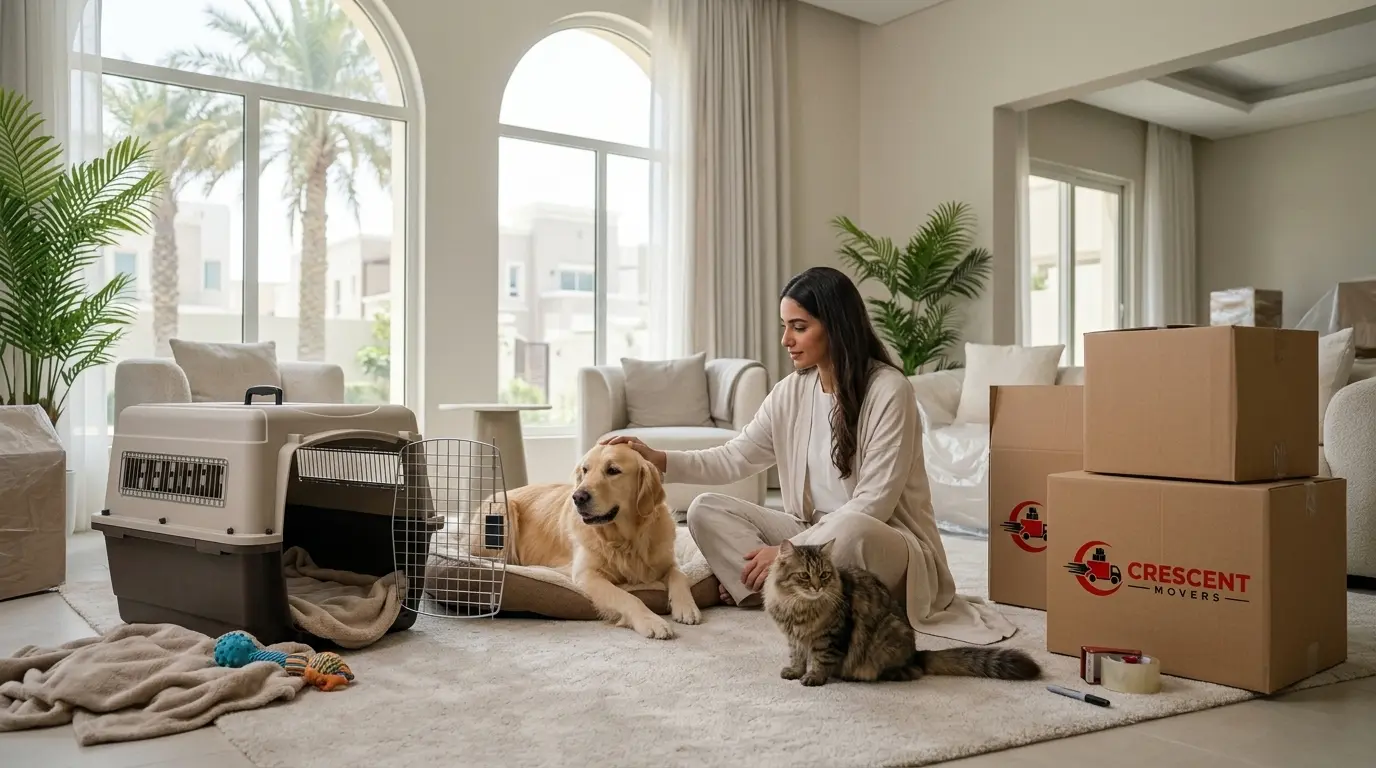
Moving With Pets: How to Prepare Before Relocation
Moving to a new home involves more than packing furniture and organizing boxes when you have a pet. Cats, dogs and other household animals are familiar with their surroundings, daily routines, resting places and the people around them. A sudden change in these things can make a moving day confusing or stressful for them.
The best way to prepare is to plan your pet's needs separately from the rest of your household belongings. Think about where your pet will stay while boxes are being carried, how they will travel to the new home, which supplies they will need immediately and how you will introduce them to unfamiliar surroundings.
Whether you are moving to another home in Abu Dhabi or relocating farther away, a little preparation can help you manage the transition more calmly. Here is how to organize the process while keeping your pet's safety and comfort in mind.
Understand How Moving Can Affect Your Pet
Pets rely on familiar smells, sounds and routines to feel comfortable. Packing materials, unfamiliar people, open doors and furniture being moved can change their environment in a short period.
Some pets may hide, become unusually clingy, vocalize more than usual or show less interest in their usual activities. Others may appear relaxed but become unsettled when they reach the new property. Individual reactions vary, so observe your pet rather than assuming every animal will respond in the same way.
Consider your pet's normal behaviour, age, health and temperament when making a plan. A confident dog may need a different arrangement from a nervous cat. Animals with medical conditions or a history of severe travel anxiety may require advice from their veterinarian before the move.
Prepare Your Pet Before Moving Day
Avoid leaving every pet-related task until the final day. Start with small preparations that help you identify potential problems before the house becomes busy.
Introduce Packing Materials Gradually
If your pet is comfortable exploring new objects, allow them to become familiar with empty boxes and packing materials before packing begins in earnest. Keep anything that could be chewed, swallowed or cause injury out of reach.
Do not let packing materials block your pet's usual food, water, resting or toilet areas. As rooms become packed, make sure your pet still has access to a quiet, secure space.
Check the New Home
Before moving in, consider whether the new property is suitable for your pet's everyday needs. Check windows, balconies, doors, fences and any gaps through which an animal might escape. Remove accessible hazards such as exposed cables, cleaning products and packing waste.
If you are moving into an apartment or managed residential community, confirm any applicable pet rules with the landlord or building management. Check access arrangements that may affect your pet's arrival, too.
For a move within Abu Dhabi, it can help to visit the property in advance or arrange a video walkthrough so you can plan where your pet's bed, bowls, litter tray or other familiar items will go.
Arrange Veterinary and Travel Preparation
Make sure you have your veterinarian's contact details and any relevant medical records available. If your pet has ongoing health needs, ask the veterinarian how to manage medication, feeding and travel during the move.
For travel across international borders, requirements can differ according to the destination, route and animal. Check current official requirements and the operating airline's rules well before departure. Do not assume that paperwork for a local household move is sufficient for international travel.
Keep Your Pet's Daily Routine as Consistent as Possible
Packing can disrupt feeding, walks, playtime and sleep. Maintaining familiar routines where practical gives your pet some continuity while the surroundings change.
Try to keep:
- Regular feeding times.
- Usual walks and toilet opportunities for dogs.
- Familiar play and interaction times.
- Access to clean water.
- A predictable resting area.
- Familiar bedding and safe toys.
You may not be able to follow the usual schedule perfectly on moving day. Focus on the routines that matter most and make a realistic plan for them.
If your pet normally eats at a particular time, keep the food and bowls accessible rather than packing them into a sealed box. If your cat relies on a familiar litter tray, plan how it will remain available until the transfer is complete.
Pack a Separate Pet Essentials Bag
Prepare a bag or container that stays with you rather than being packed away with general household belongings. You should be able to find everything your pet needs without opening multiple boxes.
Include items appropriate to your animal, such as:
- Normal food and feeding bowls.
- Fresh water and a portable water bowl.
- A lead, harness or secure carrier.
- Waste bags or litter and a litter tray.
- Familiar bedding and a favourite safe toy.
- Towels and suitable cleaning supplies.
- Any prescribed medication in its original labelled packaging.
- Veterinary records and relevant contact details.
For cats, use a secure carrier that closes properly and is suitable for the animal's size. For dogs, check that the lead, collar or harness fits securely and is in good condition.
Keep the essentials bag in a place that is easy to reach. Do not put it in a moving vehicle if you may need its contents before the vehicle arrives.
Make Moving Day Safer for Your Pet
Moving day can involve open doors, heavy furniture, unfamiliar people and frequent trips between the property and a vehicle. These conditions can create opportunities for pets to escape or enter unsafe areas.
Before loading starts, decide where your pet will stay and who will be responsible for them. One option is to arrange care with a trusted person in a familiar, secure setting. Another may be a prepared room at the property that remains closed and separate from the moving activity.
If your pet stays in a room, make sure it has suitable water, ventilation, temperature control and the resources your animal needs. Tell everyone involved in the move that the room must remain closed, and do not rely on a sign alone to keep the animal safe.
If the home is too busy or cannot provide a suitable secure area, arranging care away from the moving activity may be the more practical choice.
Keep Your Pet Away From Loading Activities
Pets should not be left to wander through areas where furniture and boxes are being carried. Keep them away from vehicle loading and unloading, where doors may be open and people may not notice an animal underfoot.
Assign one responsible adult to supervise the pet and confirm when it is safe to move them. Make sure children also understand not to open the pet's room or carrier without adult supervision.
Avoid leaving a pet unattended in a vehicle. If you are travelling in warm weather, plan suitable cooling and minimize unnecessary delays.
Transport Cats and Dogs Carefully
Choose a transport arrangement that suits the animal and the journey. Your pet should travel separately from household furniture and boxes, with appropriate restraint and ventilation.
Travelling With Cats
Transport cats in a secure, closed carrier. Keep the carrier closed in corridors, car parks and vehicles, and avoid opening it in an unsecured area. A familiar blanket or bedding may help make the carrier feel less unfamiliar if your cat is comfortable with it.
If your cat is particularly anxious or has a medical condition, discuss the journey with your veterinarian in advance.
Travelling With Dogs
Use a secure lead and a properly fitted collar or harness when moving your dog between the home and vehicle. Plan toilet breaks according to the dog's needs and the journey length, choosing safe places where the dog can remain under control.
Use a suitable vehicle restraint or travel crate according to its instructions and your vehicle's requirements. Do not allow the dog to move freely around the vehicle while it is travelling.
For either cats or dogs, avoid improvising with unfamiliar medication or sedatives. Ask your veterinarian about individual concerns before moving day.
Set Up a Comfortable Space in the New Home
Before bringing your pet inside, identify a secure area where they can settle without being surrounded by unpacked boxes and constant activity.
Prepare the space with familiar bedding, water, food when appropriate and the usual toilet arrangements. Check doors and windows again after the move, because furniture placement and open boxes can create new escape routes or hazards.
Keep your pet in this area while furniture is being unloaded and the main entrances are in frequent use. Let them rest and explore the room at their own pace.
Once the home is secure and the activity has reduced, you can begin allowing access to other areas gradually. Cats may prefer to remain in one quiet room initially, while dogs may benefit from a calm introduction to their usual walking and toilet routes.
Help Your Pet Adjust Gradually
A new home has unfamiliar smells, sounds and layouts. Avoid expecting your pet to explore every room or return to normal behaviour immediately.
Start with the basics: food, water, rest, toilet access and familiar interaction. Keep the usual feeding and walking schedule as consistent as possible. Let your pet approach new spaces when they seem comfortable rather than forcing interaction.
Check the new environment for hazards before allowing wider access. Secure balcony doors and windows, keep cleaning products and packing materials out of reach, and confirm that your pet cannot slip through an open entrance while boxes are being moved.
Observe your pet over the following days. If you notice persistent changes in appetite, behaviour, sleep or toileting, or if you are concerned about their health, contact a veterinarian for advice. There is no single adjustment timeline that applies to every animal.
Common Mistakes to Avoid When Moving With Pets
Some avoidable mistakes can make the transition more difficult or less safe.
- Leaving preparation until the last minute: This can mean forgetting supplies or discovering a problem with the carrier too late.
- Packing every familiar item: Keep the essentials your pet needs until the move is complete.
- Allowing pets near open doors: Frequent trips in and out increase the risk of escape.
- Assuming the new property is secure: Recheck windows, balconies, fences and entrances.
- Transporting pets with household cargo: Plan a separate, controlled journey for the animal.
- Changing routines unnecessarily: Keep feeding, rest and toilet arrangements familiar where possible.
- Expecting immediate adjustment: Give your pet time to become comfortable with the new surroundings.
Planning for these details can make the move easier to manage for both pets and people.
Pet Moving Checklist
Use this checklist before the move and review it again on moving day.
- Prepare a secure carrier, lead or harness appropriate for your pet.
- Pack food, water, bowls, familiar bedding and safe toys separately.
- Keep necessary medication and veterinary details accessible.
- Check the new property for escape routes and hazards.
- Confirm relevant pet rules with the landlord or building management.
- Decide who will supervise your pet while the home is being loaded.
- Arrange safe transport separately from household belongings.
- Prepare a quiet space at the new home before your pet arrives.
- Keep doors and windows secure while unloading.
- Restore familiar routines and monitor your pet after arrival.
If you are organizing the wider household move too, a family moving checklist can help you coordinate general tasks alongside your pet-specific preparations.
Conclusion
Moving with pets requires a plan for their safety, comfort and routine as well as the practical details of the household move. Prepare supplies early, arrange secure supervision during loading, transport your pet safely and set up a familiar space before introducing them to the new home.
Give your pet time to adjust, watch for changes in behaviour and seek veterinary advice when needed. With practical preparation and realistic expectations, you can make the transition more manageable for your entire household.
If you are planning a household move in Abu Dhabi and would like to discuss the practical arrangements, you can contact Crescent Movers.
11. Frequently Asked Questions
How early should I prepare my pet for moving?
Start as soon as your moving plans are reasonably certain. This gives you time to check the carrier, arrange supervision, prepare supplies and address any health or travel questions before moving day.
How can I keep my pet calm during a move?
Keep familiar routines where possible, provide a quiet secure space and minimize unnecessary exposure to noise and open doors. Ask your veterinarian for advice if your pet has severe anxiety or a medical condition.
Should my pet stay at home while the movers are working?
Only if you can provide a secure, suitable area away from loading activity and keep it protected from accidental entry. If that is not practical, consider care with a trusted person or another suitable arrangement.
What should I pack in a pet moving bag?
Include your pet's normal food, water, bowls, lead or carrier, familiar bedding, safe toys, toilet supplies, prescribed medication and relevant veterinary information.
How should I transport my cat to a new home?
Use a secure closed carrier appropriate for your cat. Keep it closed during transfers and avoid opening it in corridors, car parks or other unsecured locations.
How can I help my dog settle into a new home?
Set up familiar bedding and water, keep feeding and walking routines as consistent as possible, check the property for escape routes and introduce new spaces gradually.
Do I need different preparations for an international move with pets?
Yes. International travel may involve destination-specific permits, veterinary documentation, vaccination or identification requirements, and airline rules. Check the current requirements with the relevant official authority and airline before making travel arrangements.
What if my pet seems unwell or distressed after the move?
Monitor changes in eating, drinking, toileting and behaviour. If symptoms persist, are severe, or raise concerns about your pet's health, contact a veterinarian rather than assuming the behaviour is only due to the move.